VC-7490
SkincareProduct dossier
1.2 Billion Menopausal Women by 2030 — and 90% Were Never Taught About It
Galderma surveyed 4,300 women across nine countries: 90 percent were never taught about menopause. Dermatologists explain the collagen loss and the treatments that help.
Counter notes
- By 2030, an estimated 1.2 billion women worldwide will be menopausal or postmenopausal.
- 90 percent of 4,300 women surveyed by Galderma across nine countries said they had never been taught about menopause.
- Women can lose up to 30 percent of collagen in the first five years after menopause, then about 2 percent annually.
- A Revance study found 50 percent of perimenopausal women were unaware menopause would change their skin; 68 percent wanted health care and aesthetics in one place.
- Approximately 85 percent of aesthetic patients are women, per Galderma's Tara Capalbo.
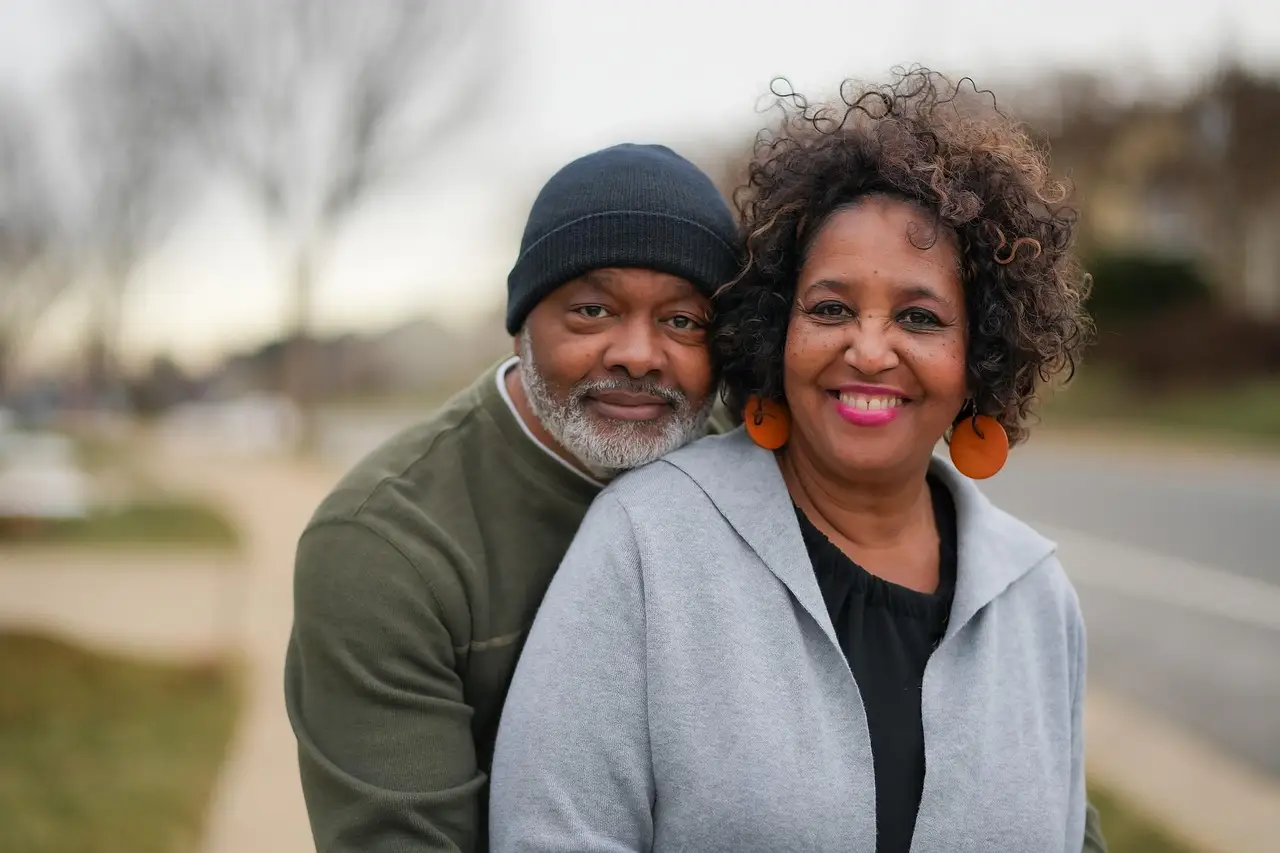
By 2030, an estimated 1.2 billion women worldwide will be menopausal or postmenopausal, with roughly 47 million reaching menopause each year. Galderma surveyed more than 4,300 women across nine countries and five continents, and 90 percent said they had never been taught about menopause.
The skin consequences arrive early and often unannounced. "Usually, around 45, you're almost by definition in perimenopause, and by around 50, you're generally menopausal," says New York dermatologist Ellen Marmur, MD. "You can still have your period and be hormonally menopausal. It's not always measurable, and it's not black-and-white science."
Why do women feel blindsided?
New York dermatologist Doris Day, MD, hears the same story in her office. "In my own practice, what I see is women coming in and saying things like, 'One day my face just fell apart. Why is my skin dry and itchy? Why am I breaking out like a teenager?'"
She connects those complaints with shifts in sleep, mood, joint discomfort and menstrual cycles. The pattern points to perimenopause. Patients rarely spot it themselves.
The gap extends to physicians, according to Dr. Day. "GYNs don't seem to want to own the space. Primary care physicians don't seem to want to have that conversation. Women are kind of told, like, 'You'll power through, you'll be fine.' And they're not satisfied with this answer."
Tara Capalbo, head of U.S. Aesthetics at Galderma, presented the survey findings at a recent event in New York. Many women, the data showed, learn about skin changes only after experiencing them firsthand.
A separate Revance study found that 50 percent of perimenopausal women were unaware how menopause would change their skin and appearance. "We also asked them whether they would want formal health care and aesthetics in the same place, and surprisingly, 68 percent said yes," says Adelle Walker, chief marketing officer for Revance. "We have great products, including regenerative treatments, injectables and skin care. How can we bring those together so women can get this care in one place?"
What actually happens to the skin?
Estrogen drives hydration, elasticity and collagen production. Women can lose up to 30 percent of their collagen in the first five years after menopause, followed by an estimated 2 percent annually thereafter.
"Those collagen-building cells—the fibroblasts—are simply exhausted and depleted," Dr. Day explains. "This is one reason why I focus on supporting skin quality rather than treating lines or volume changes alone. No single treatment can address every concern."
Dr. Marmur urges a wider lens than wrinkles. Texture, laxity, and the neck, chest and upper lip "may not respond well to simply adding volume," she says. A plan should account for the whole face and how it moves.
Which in-office treatments help?
Interest is shifting toward skin quality over volume alone.
- Microneedling. Dr. Marmur cites SkinPen, which "uses mechanical microneedling to create controlled microchannels in the skin, supporting the body's natural regenerative processes." She names the neck, hands and under-eyes as strong treatment areas.
- Fillers. Hyaluronic acid and biostimulatory options restore balance. Dr. Marmur favors the RHA Collection — RHA Redensity, RHA 2, RHA 3 and RHA Dynamic Volume — for preserving movement around the mouth.
- Collagen stimulators. "My Sculptra patients are my happiest patients because they love the change in their skin texture," says Dr. Day. Her protocols may combine neuromodulators, Restylane fillers, microneedling and energy-based devices.
Capalbo notes that approximately 85 percent of aesthetic patients are women. Galderma is now incorporating menopausal status into its injectable aesthetics clinical trials and collaborating with dermatologists, plastic surgeons and gynecologists on a consensus paper for treating women during these stages.
What matters beyond the treatment chair?
Daily habits carry equal weight: sun protection, a consistent skin-care routine, nutrition, exercise and sleep. "Nothing looks more beautiful in your 50s than sun protection in your 20s," says Dr. Day. Hormone therapy decisions, both dermatologists stress, belong with a health-care professional. "Be careful about treating online information as a substitute for personalized care," Dr. Marmur warns.
The framing matters as much as the treatments. Menopause is not a problem to fix. "I don't want women to be caught off guard by menopause," says Dr. Day. "Start learning about it in your 30s, pay attention to what's happening in your 40s, and make these conversations part of your ongoing health care. I don't think we become less beautiful with age. I think in many ways we become more beautiful. It's just a different beauty. And that we have to learn to see."
With Galderma building menopause into its clinical trials and Revance probing integrated care models, the industry is finally treating menopausal skin as a market segment rather than a conversation to avoid.
via skinpen.com (Original)
More from Olivia Hart
Show full bio
Senior reporter covering money, funding and market shifts around skincare, haircare, makeup, fragrance, nails at Eurasian Beauty Journal.
111 articles
Also on the counter
- Skin Loses Up to 30% of Collagen in Five Years After Menopause
- Menopause Consultations Jump Among Facial Plastic Surgery Patients
- Dry Eye Affects More Postmenopausal Women Than Previously Known
- Estrogen Face Creams: The 490% Telehealth Boom Doctors Won't Prescribe
- Hormones or Age? Dermatologists Decode the Skin Changes That Matter