VC-5429
HairProduct dossier
A Dermatologist Is Crowdsourcing 100 Hairstylists for Alopecia Patients
A Manhattan dermatologist crowdsourced at least 100 hairstylist recommendations for alopecia patients after one social-media post drew saves, shares and referrals.
Counter notes
- A Manhattan-based dermatologist collected at least 100 hairstylist recommendations through one social-media post.
- The post drew notable saves and shares, plus comments such as "This is why having Black dermatologists is important."
- Patients using prescription or anti-inflammatory shampoos should ask whether stylists allow them in the salon.
- S.T.R.A.N.D., co-founded by dermatologist Chesahna Kindred, MD, trains stylists to care for clients with alopecia.
- The dermatologist has not yet established a vetting process and does not treat recommendations as endorsements.
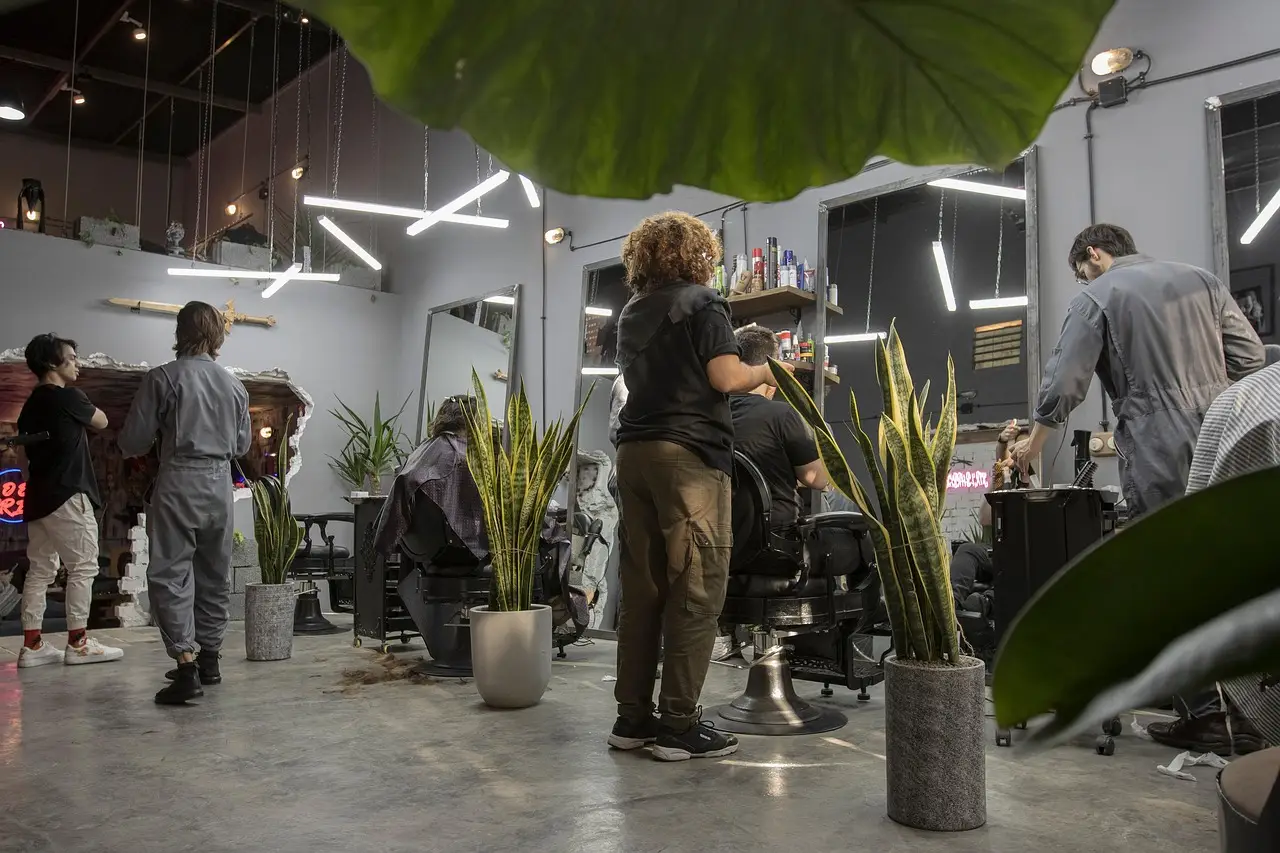
A Manhattan dermatologist has collected at least 100 hairstylist recommendations through a single social-media post, all for patients managing hair loss. The doctor, a Black dermatologist based in Manhattan, built the list because so much of alopecia care happens outside the exam room.
She treats patients with oral medications, topical treatments and procedures like PRP. But styling and daily hair care determine outcomes too. "I've heard stories from patients about hairstylists who were rushed or dismissive of their hair-loss concerns," she wrote. Alopecia is medical. It is also emotional.
Why did she turn to social media?
She wanted a resource she could hand to patients when they left her office. "I really believe in holistic care and in caring for patients beyond the four walls of my office," she said. Finding a stylist after a diagnosis can overwhelm patients, so she crowdsourced the answer.
She asked New Yorkers to name stylists they personally love and trust, especially those thoughtful with clients experiencing hair loss. Her patients come from Manhattan, Brooklyn, the Bronx, Queens and the Hudson Valley, so she wanted geographic breadth. The post drew likes, but saves and shares stood out more — a signal, she reasoned, that people wanted to return to the information. At this point she has at least 100 recommendations to sort and organize.
The response carried a sharper message. Commenters wrote, "This is why having Black dermatologists is important." New patients have arrived at her office saying they saw the post, or that someone who saw it referred them. The reaction convinced her the need extends well beyond New York.
What qualifies a stylist for the list?
Experience matters, but empathy matters equally. She wants stylists who understand what a person with hair loss is going through.
The technical bar is specific:
- No tight braids around the edges, which stress already vulnerable follicles
- Familiarity with scalp care
- Openness to clients bringing prescription or anti-inflammatory shampoos into the salon
- Self-education on best hairstyling practices for people with alopecia
She defines the target plainly: someone "open, understanding and has taken the time to educate themselves."
Can a crowd vet itself?
Not yet, and the doctor does not pretend otherwise. The project remains grassroots. Recommendations are word of mouth — "This is the hairstylist I love" — and she does not personally know all the stylists named. She explicitly rejects treating a recommendation as an endorsement. Stage one is gathering personal referrals. Stage two, still undefined, is finding a way to vet stylists "in some capacity." That gap between volume and verification is the project's open question.
Formal infrastructure already exists elsewhere. After posting, she learned about S.T.R.A.N.D. — Stylists Training, Researching and Networking with Dermatologists — a program co-founded by dermatologist Chesahana Kindred, MD, that trains hairstylists to care for people with alopecia and to identify signs of hair loss. (The program's name is spelled S.T.R.A.N.D.; the co-founder's first name appears in the source as Chesahna.)
She does not know what the list will become. For now she is working locally. Her stated ambition: dermatologists in other cities connecting patients with stylists who understand their needs.
What has the patient response been?
Gratitude, she reports. An alopecia diagnosis overwhelms. Patients value in-office support, then face questions at home about hairstyles, scalp health and next steps. She sometimes sends patients the link to the post so they can review the recommendations themselves.
"I can treat the medical part of hair loss, but I also want my patients to feel supported in everything that happens after they leave my office," she wrote. The list is her attempt to close that distance — one hundred names at a time.
via NewBeauty (Source)
More from Grace Kim
Show full bio
Correspondent covering technology and product news in skincare, haircare, makeup, fragrance, nails at Eurasian Beauty Journal.
86 articles
Also on the counter
- Kérastase Launches Chronologiste to Push Haircare Into Longevity
- 'Not Vanity, It's Identity': The Hair Preservation Method Built for Chemo Patients
- Stress From a Bad Boyfriend Shows on Your Skin, Science Suggests
- NYFW Spring/Summer 2027: Volume, Crimps and Knots Replace Minimalist Hair
- Cosmo's Clascoterone Posts Strong 12-Month Hair Loss Data