VC-4449
Business of BeautyProduct dossier
Estée Lauder Grows 7% to $3.7 Billion as Fragrance Sales Jump 20%
The Estée Lauder Companies posted 7% net sales growth to $3.7 billion in Q1 fiscal 2027, with fragrance up 20% on strength from Tom Ford, Le Labo and Kilian Paris.
Counter notes
- Net sales grew 7% to $3.7 billion in Q1 fiscal 2027
- Fragrance net sales rose 20%, led by Tom Ford, Le Labo and Kilian Paris
- Skin care grew 4%; makeup grew 1%; hair care was flat
- MAC sales increased while the Estée Lauder brand declined
- CEO Stéphane de La Faverie cited share gains in China, Korea and Japan and an undercaptured prestige tier in France
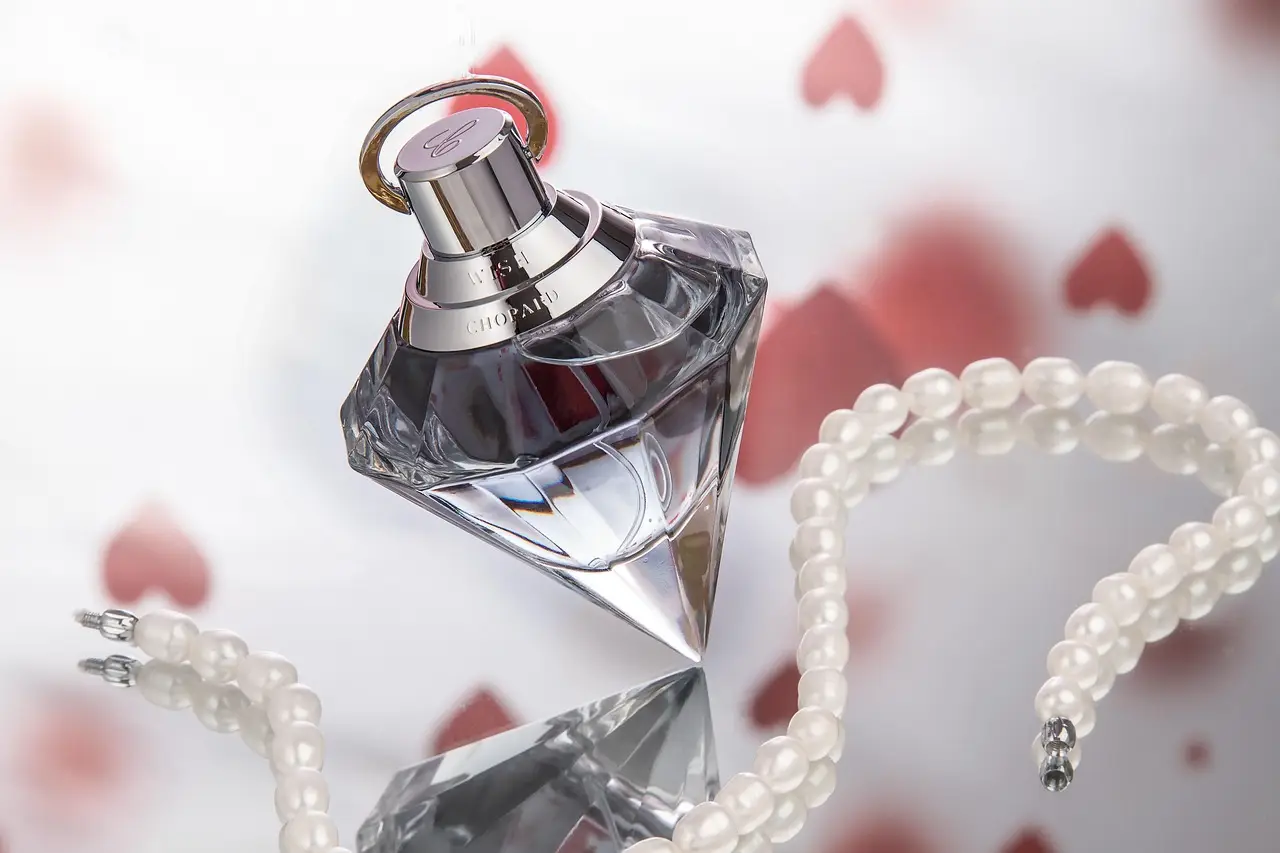
The Estée Lauder Companies reported net sales growth of 7% to $3.7 billion for the first quarter of fiscal year 2027, with fragrance delivering the strongest performance across its four product categories.
The company released the results on Monday. Three of its four categories posted sales increases during the period, but fragrance, in the words of the report, "drove the lion's share" of the growth.
Fragrance net sales rose 20% in Q1 2027. The increase was driven by the company's luxury fragrance brands — Tom Ford, Le Labo and Kilian Paris. That 20% figure stands against 4% growth for skin care, 1% for makeup and flat sales for hair care, according to the results.
Which brands moved the numbers?
The category detail shows a split performance within makeup. MAC posted increased sales during the quarter, while the Estée Lauder brand itself declined. Hair care sales were flat for the period.
The fragrance result confirms the category's role as the company's growth engine. At five times the growth rate of skin care — the next-best performer — fragrance outpaced every other segment by a wide margin in the quarter.
What did the CEO say about strategy?
Stéphane de La Faverie, ELC president and CEO, pointed to price-tier positioning as the new front in the company's fragrance push.
"What is new is really what we've committed to go after, also the prestige price tier," de La Faverie said. "In the East, there's a high penetration of luxury fragrances, and we've always performed very well. We've demonstrated again strong share gain in China, in Korea, in Japan. But on the other hand, in the West, the large majority of France business is still done in the prestige price tier, which we haven't really captured our fair share [of] over the past few years."
The comment splits the company's fragrance market into two pictures. In Asia, ELC continues to gain share in China, Korea and Japan — markets where luxury fragrances already penetrate deeply and where the company, in the CEO's words, has "always performed very well." In Europe, France represents the gap: most of its fragrance business sits in the prestige price tier, a segment where ELC has underperformed "over the past few years."
Why the prestige tier matters now
The CEO's framing marks a deliberate extension of the playbook that produced the 20% fragrance jump. Luxury brands — Tom Ford, Le Labo and Kilian Paris — carried the category this quarter. The stated ambition is to replicate that strength one price tier down, in Western markets where prestige-priced fragrance still accounts for the majority of sales, France being the example de La Faverie named.
The first-quarter numbers give the strategy a running start. A 7% overall gain to $3.7 billion, led by a fifth-in-five fragrance increase, shows the luxury tier already working at scale in Asia. Whether the prestige tier in the West closes the share gap the CEO described will shape the pace of ELC's growth in the quarters ahead.
via Glossy (Source)
More from Amara Osei
Show full bio
Staff writer covering technology and product news in skincare, haircare, makeup, fragrance, nails at Eurasian Beauty Journal.
116 articles