VC-1875
Cosmetic ScienceProduct dossier
GenesisTissue Prints a Scaffold That Dissolves As Breasts Regrow
GenesisTissue is developing 3D-printed, dissolvable breast scaffolds for cancer reconstruction. Human trials and FDA review have not begun. Here is what the data shows so far.
Counter notes
- GenesisTissue's Regenerative Breast Tissue (RBT) is a 3D-printed, biodegradable scaffold that dissolves as the patient's own tissue grows.
- The technology is still in preclinical development and has not entered human clinical trials or FDA review.
- Initial targets are women reconstructing breasts after lumpectomy or mastectomy; cosmetic augmentation may follow later.
- CEO and cofounder Katie Weimer said: 'We believe women deserve a better option.'
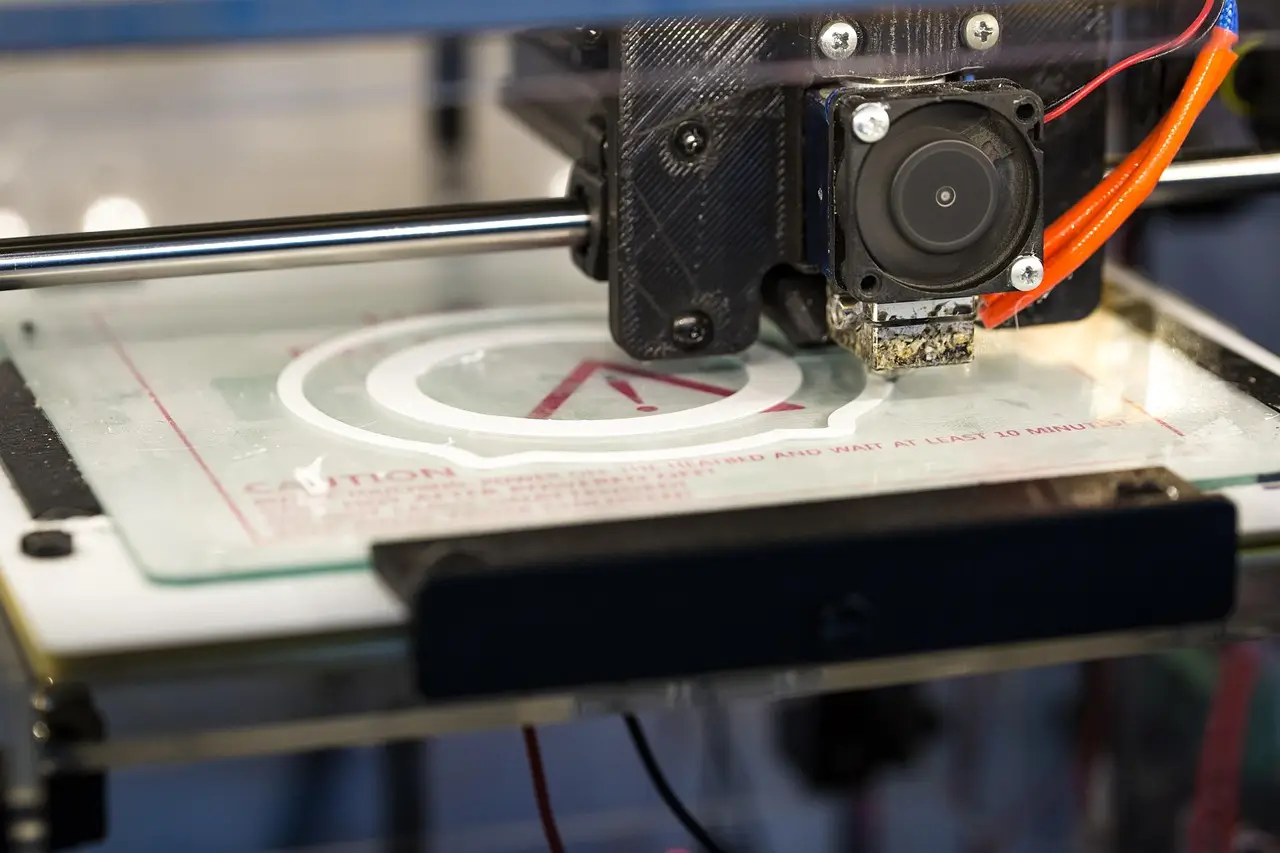
A Colorado biotech wants breast reconstruction to end with no implant at all — only tissue the patient grew herself. GenesisTissue is developing Regenerative Breast Tissue, or RBT, a personalized 3D-printed scaffold that holds transferred fat in place, supports new growth, and then dissides away as the body takes over.
The concept is simple to state and hard to execute. A silicone implant stays put for life. RBT is designed to leave.
How does the 3D-printed scaffold work?
The structure is biodegradable and customized to the patient's anatomy. Surgeons use it as a temporary frame for fat transfer. The scaffold holds the fat in position while tissue grows through and around it. As the material breaks down, the goal is for the patient's own tissue to hold the volume — reconstruction without a permanent synthetic object inside the body.
Think of it as formwork for a building: it shapes the pour, then comes away.
The first intended patients are women undergoing reconstruction after cancer surgery, including lumpectomies and mastectomies. "We believe women deserve a better option," Katie Weimer, CEO and cofounder of GenesisTissue, told Tech Briefs. Cosmetic breast augmentation sits further down the company's roadmap, not at the front of it.
When will it reach patients?
Not soon. RBT remains in preclinical development. It has not been proven safe or effective in human clinical trials. Human studies and FDA review still lie ahead, and neither has a date attached.
The early laboratory and preclinical results are, in the company's telling, encouraging on three fronts:
- material breakdown
- compatibility with living tissue
- tissue growth
Encouraging in a lab is not encouraging in a person. That gap is where most regenerative devices stall.
GenesisTissue is not alone in the field. Other companies and researchers are also developing 3D-printed implants designed to support natural tissue regeneration. All of these technologies, RBT included, remain investigational. No version has crossed into approved clinical use.
Why the approach matters
Current reconstruction offers a choice between a permanent implant and more involved flap procedures that borrow tissue from elsewhere in the body. A dissolvable scaffold points at a third path: help the body rebuild what surgery removed, then get out of the way.
The shift is philosophical as much as technical. Rather than replacing lost volume with a synthetic object, the next generation of reconstructive technology would focus on prompting regeneration — the implant as a guest, not a resident.
Whether RBT can make that leap depends on human data that does not yet exist. For now, it is an early look at where breast reconstruction may be headed, and a reminder that the most interesting devices in this space are the ones designed to disappear.
via NewBeauty (Source)
More from Olivia Hart
Show full bio
Senior reporter covering money, funding and market shifts around skincare, haircare, makeup, fragrance, nails at Eurasian Beauty Journal.
129 articles
Also on the counter
- AlloClae, the Cadaver-Fat Body Injectable, Is Up 1,300% in Searches
- Glutemaxxing Goes Clinical: Men's BBLs Jumped 48 Percent
- The Boomerang Lift: Fat Grafting Targets Hollow Eyes and Cheeks
- Belotero Volume and Intense Fillers Make U.S. Debut for Cheeks and Lips
- Surgery Is Back: Plastic Surgeons Map 2027's Big Shifts