VC-9686
Wellness & LongevityProduct dossier
Sauna Therapy Under Review: What 30 Minutes of Heat Actually Does
Studies link 30-minute sauna sessions to immune and cardiovascular benefits, but two physicians attach caveats to every claim: temperature limits, skin risks, and who should stay out.
Counter notes
- Studies show 10 to 30 minutes of dry heat at 70–100°C delivers significant sauna benefits.
- Traditional dry saunas operate at 150–195°F; infrared chambers run cooler at 110–140°F.
- Dr. Darshan Shah recommends two to three sauna sessions per week as a starting point.
- Sweating causes water loss, not fat loss, according to Shah.
- People with rosacea, eczema, uncontrolled blood pressure, or pregnancy should consult a physician before sauna use.
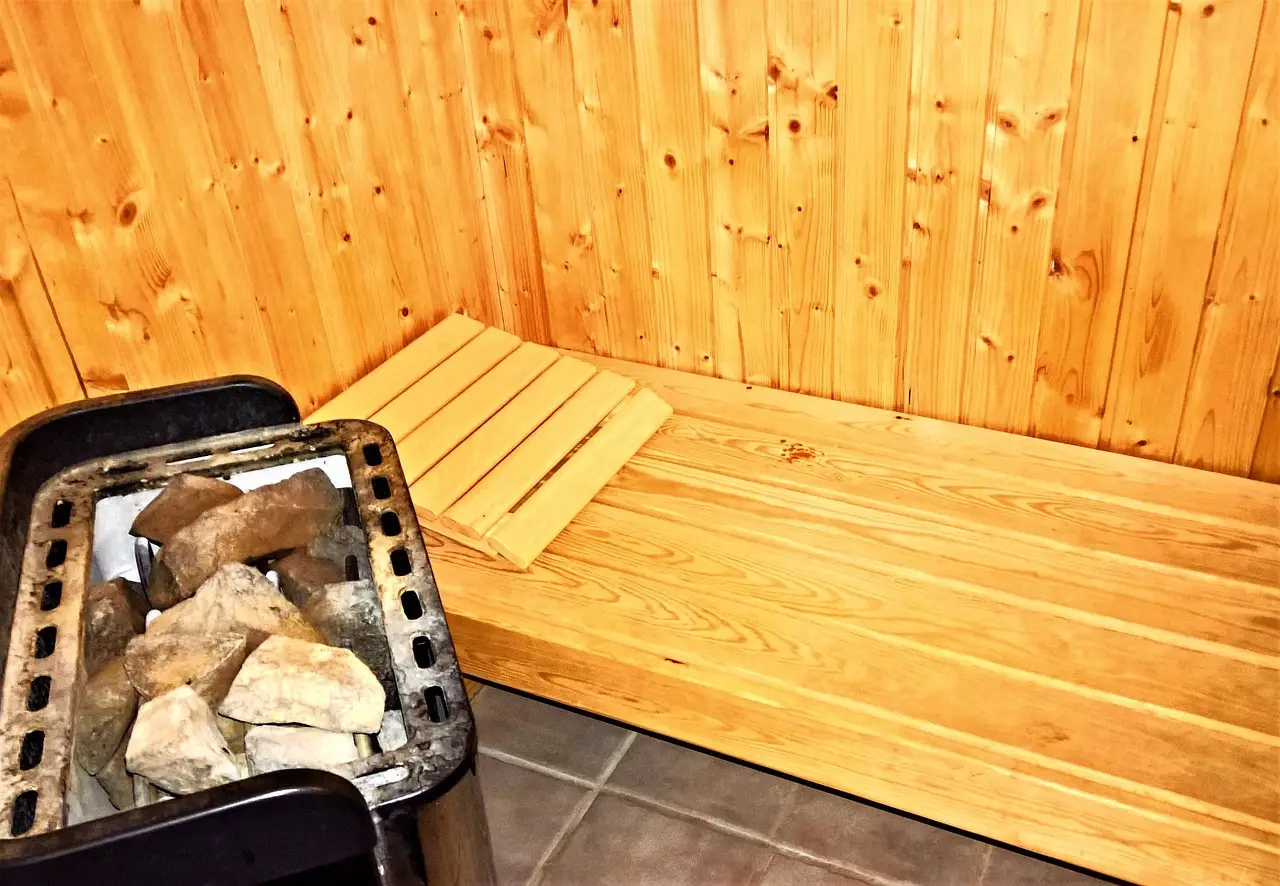
Studies show as little as 30 minutes in a sauna can boost the immune system and reduce risks of cardiovascular and mental health issues, including hypertension and dementia. That is the headline finding. But the physicians who parsed the evidence for ELLE attached conditions to nearly every promise, and the studies in question examined dry heat only.
What do the experts claim saunas deliver?
Dr. Darshan Shah, a board-certified surgeon, physician, longevity specialist, and founder and CEO of Next Health, lists five potential benefits:
- Muscle recovery: increased blood flow delivers oxygen and nutrients to muscle tissue.
- Skin rejuvenation: better circulation may support collagen production, skin elasticity, and firmness.
- Immunity and cardiovascular health: heat raises core body temperature, promotes vasodilation, and may support healthy blood pressure.
- Weight management: heat temporarily raises heart rate and energy expenditure. Shah clarifies that sweating produces water loss, not fat loss.
- Detoxification: sweating eliminates small amounts of certain substances and may support lymphatic function.
Every item carries the word "may" or "potential." None is guaranteed. Shah also notes a physician should monitor the practice, particularly for people with preexisting conditions.
Does dry heat beat steam?
The studies behind the headline finding focused on dry heat. That detail limits how far the conclusions travel. Shah says the main difference between dry and wet saunas is how the heat is delivered and how the body responds to each.
Brianna Olamiju, a board-certified dermatologist at Spring Street Dermatology in New York, draws the line sharply. "Dry saunas typically operate at higher temperatures with lower humidity, while steam rooms have lower temperatures and significantly higher humidity," she explains. Steam rooms may temporarily relieve nasal congestion. Neither format has been proven superior for skin health. People with sensitive skin, eczema, or rosacea may find excessive heat aggravates symptoms, she warns.
Shah frames the choice as preference, not science. "Consistency and finding an approach that feels comfortable are more important than choosing one type of sauna over another," he says.
What temperature and how long?
The numbers are concrete. Traditional dry saunas run between 150°F and 195°F. Steam rooms sit around 100°F to 120°F. Infrared chambers used at Next Health operate between 110°F and 140°F, and Shah says the light-based technology warms the body directly, allowing longer, more tolerable sessions.
Many studies examined benefits at approximately 175°F, but Olamiju says no ideal temperature is established. "Higher temperatures don't necessarily translate to greater benefits," she says. Shah agrees: "The goal is to find a temperature that allows you to experience the benefits of heat exposure without putting unnecessary stress on your body."
On duration, research points to dry air at 70 to 100°C for 10 to 30 minutes per session as the sweet spot. Shah recommends two to three sessions per week to start. Olamiju tells beginners to begin with five to 10 minutes and build toward 15 to 20. "Some studies suggest that more frequent sauna use may be associated with greater cardiovascular benefits, but consistency and individual tolerance are most important," she notes.
Who should skip the sauna?
The risks are not hypothetical. Shah warns that individuals with cardiovascular conditions, uncontrolled blood pressure, a history of fainting, or other underlying health concerns should consult a physician first. Pregnant individuals should also seek medical guidance. The main dangers are dehydration, overheating, dizziness, and low blood pressure.
Olamiju adds a dermatologic caution: excessive heat and sweating can worsen rosacea, eczema, and sensitive skin. "I recommend staying hydrated, rinsing off after sauna sessions, and applying moisturizer to support the skin barrier," she says.
Older adults can benefit, but age changes cardiovascular function, blood pressure regulation, and heat tolerance. Shah's closing standard applies to everyone: "The goal isn't to achieve a particular temperature or duration; it's to find a safe, sustainable routine that supports long-term health and quality of life." Any spa or wellness operator marketing sauna sessions as a substitute for exercise or medical care is going beyond what these experts said.
via tandfonline.com (Original)
More from Grace Kim
Show full bio
Correspondent covering technology and product news in skincare, haircare, makeup, fragrance, nails at Eurasian Beauty Journal.
113 articles