VC-4862
Trends & CultureProduct dossier
The 2026 Mommy Makeover: 762,000 Surgeries and a New Playbook
The 2026 Mommy Makeover is defined by restoration over augmentation: 762,000 surgeries in 2024, GLP-1-driven skin laxity, precision techniques and a social media credibility gap.
Counter notes
- Five Mommy Makeover procedures totaled more than 762,000 surgeries in 2024, per ASPS.
- Breast augmentation grew just 5 percent over 20 years versus 27–83 percent for restoration procedures.
- A 2017 analysis of nearly 1.8 million Instagram posts found only 17.8 percent of top posts came from Aesthetic Society–eligible plastic surgeons.
- Fox's The Swan put contestants through roughly 10 procedures apiece in 2004.
- TikToker Alexa Booth, with nearly 200,000 followers, says final results take six to 12 months.
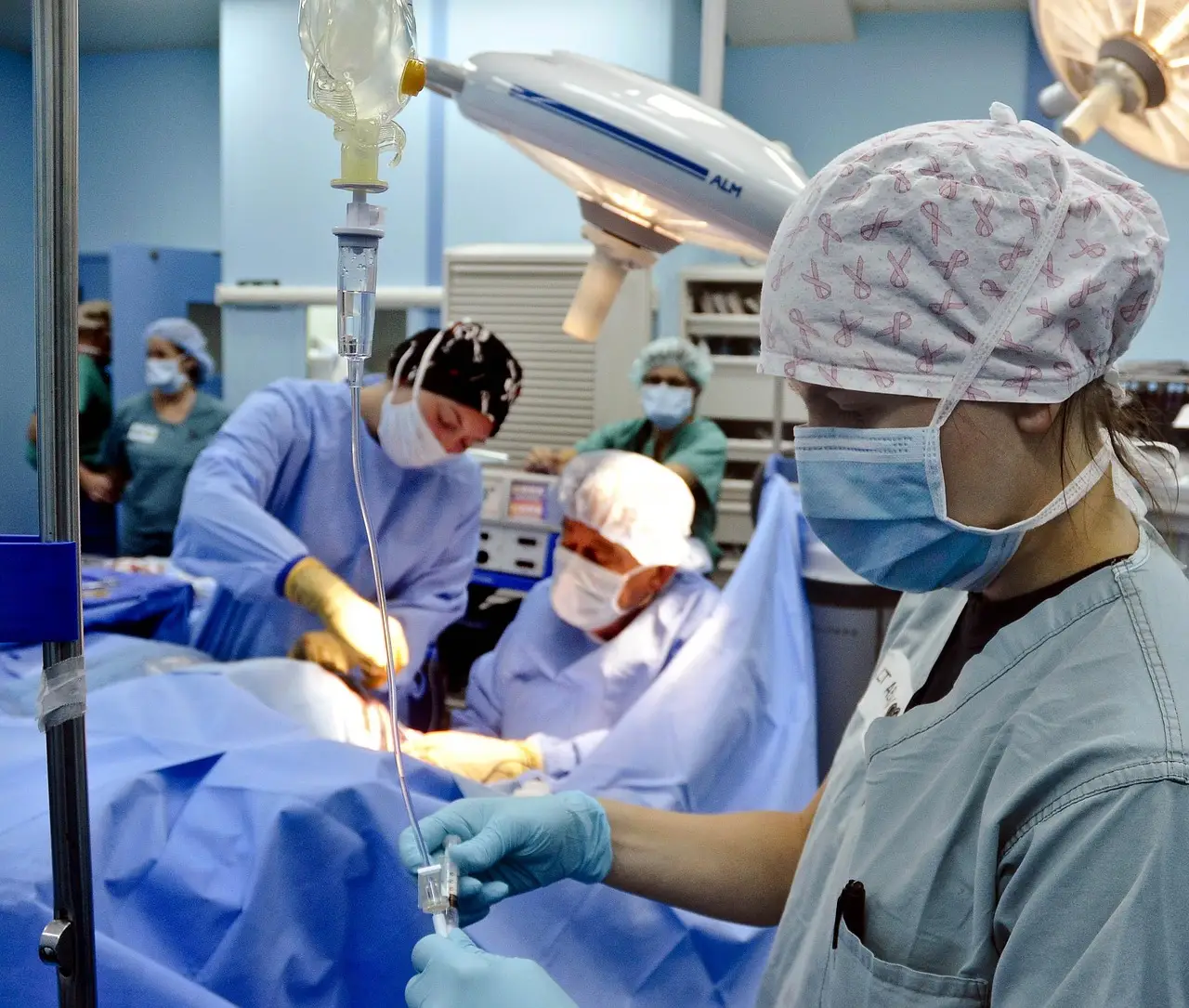
More than 762,000 surgeries across five "Mommy Makeover" procedures — tummy tuck, breast lift, liposuction, breast reduction and lower bodylift — were performed in 2024, per the American Society of Plastic Surgeons (ASPS). Restoration, not augmentation, is driving that volume: breast augmentation, the only procedure built around adding rather than restoring, grew just 5 percent over 20 years, while the other four climbed between 27 and 83 percent.
Where did the "Mommy Makeover" come from?
The term entered the cultural lexicon in the early-to-mid 2000s, as cosmetic surgery boomed and reality television fed an appetite for transformation. Fox's The Swan put contestants through roughly 10 procedures apiece ahead of a pageant-style reveal in 2004; many of its participants were mothers unhappy with post-pregnancy bodies. No one claims to have coined the phrase — it was never official, just a nickname that stuck.
The numbers behind it climbed fast. By 2010, tummy tucks were up 85 percent since 2000 and breast lifts had risen 70 percent, per the ASPS. Breast augmentation had already jumped 55 percent by 2006.
What has changed by 2026?
Three new variables: GLP-1 weight-loss drugs, which have created a population navigating skin laxity after major weight loss; social media, where before-and-afters and AI-altered ideals compete for attention; and medspas, multiplying and marketing cut-rate versions of surgical procedures.
The surgical philosophy has shifted toward precision. "There have been more innovations in body contouring over the past 10 years than the prior 20," says Dallas plastic surgeon Jeffrey M. Kenkel, MD. "The extremes have fallen," he notes — the Brazilian butt lift has given way to subtler, sculptural results. The current toolkit includes:
- Muscle etching, using liposuction to carve definition rather than just remove fat
- Rib contouring, narrowing the waist by shaving down the ribs
- Fat grafting, moving fat between areas to build contour
The same build-don't-remove logic applies above the waist. "More women are interested in breast lifts without adding implants," says New York plastic surgeon Oren Tepper, MD, who repositions the breast's own tissue rather than adding volume.
When should patients operate?
Timing depends on family plans. "A breast lift without implants doesn't take away the option of getting implants later, once someone's finished having children," Dr. Tepper says. Facial work such as fat grafting and mini facelifts isn't affected by future pregnancy at all. But if another pregnancy is imminent, "I do think deferring can be the right decision," he adds.
For GLP-1 patients, New York plastic surgeon David Shafer, MD waits until weight stabilizes, then treats loose skin with Renuvion, Density RF, Genius RF or a CO2 laser, sometimes alongside surgery. Where fat is too scarce to graft, he uses alloClae, an off-the-shelf fat-grafting product, and dermaClae for smaller areas. His approach is "a customized approach tailored to each patient's specific anatomy and procedural expectations."
Why does social media distort expectations?
"Social media and AI-altered images have raised the bar for what patients expect," Dr. Shafer says. His fix: real before-and-afters, "so they understand what is achievable and natural rather than artificially filtered perfection."
TikTok creator Alexa Booth, a mother of six with nearly 200,000 followers, documented her own Mommy Makeover after finding other creators skipped the difficult parts. "I mostly saw the dramatic before-and-afters, but no one explained how you would feel on a day-to-day basis — how my body would change so much every week due to swelling, and that was normal," she says. "Or, how results take a good six to 12 months to see the final look."
Do followers equal credentials?
No. A 2017 analysis of nearly 1.8 million plastic surgery–tagged Instagram posts found just 17.8 percent of top posts came from plastic surgeons eligible for Aesthetic Society membership; two-thirds of top content was promotional, not educational. "More likes does not imply a better surgeon, better outcomes or lower risk," Dr. Kenkel warns. His advice: verify board certification in plastic surgery, seek multiple opinions, and find the qualifications and personality that fit.
via asps.multimedia-newsroom.com (Original)
More from Rebecca Stone
Show full bio
Market editor covering technology and product news in skincare, haircare, makeup, fragrance, nails at Eurasian Beauty Journal.
82 articles
Also on the counter
- The Swan: Behind the Mirror Dissects Reality TV's Darkest Makeover
- Glutemaxxing Goes Clinical: Men's BBLs Jumped 48 Percent
- Smaller Breast Implants Surge as GLP-1 Users Seek Volume, Not Size
- Menopause Consultations Jump Among Facial Plastic Surgery Patients
- GLP-1 Weight Loss Is Reshaping Breast Surgery Demand