Autumn Shed Is Real: Why Hair Fall Spikes in Fall, Per Doctors
Doctors confirm hair shedding can spike in fall as more follicles enter the resting phase. Here is how to tell seasonal shed from hair loss — and what helps.
Updated
The takeaway
- Research suggests more hairs enter the shedding phase in late summer and early fall, per Dr. Robin Smith, MD.
- Dr. Sachin Parikh distinguishes shedding — hairs released in the growth cycle — from hair loss, where follicles produce finer hairs or stop production.
- Smith prescribes Exoceuticals EXO FORTIFY Scalp Treatment, combining aloe-derived exosomes with niacinamide, copper tripeptide-1, and panthenol.
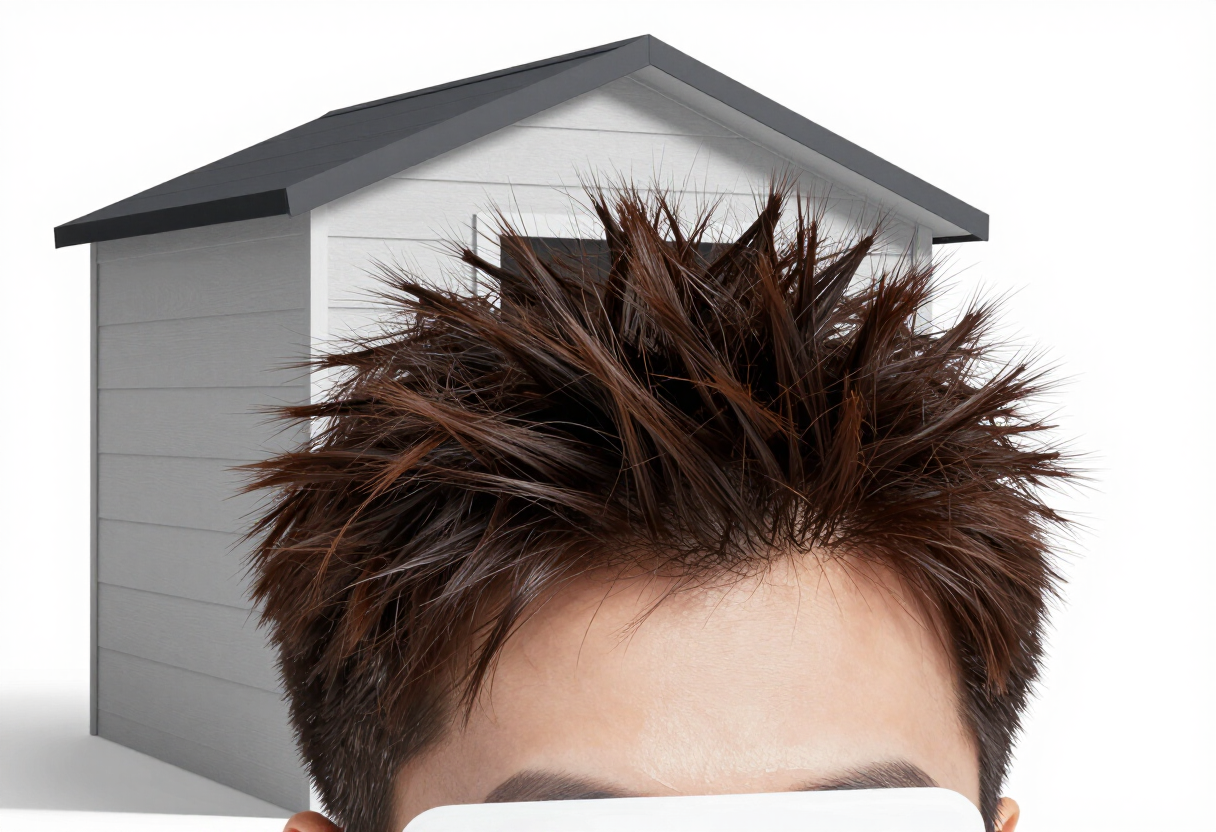
More hairs enter the shedding phase in late summer and early fall — and that seasonal spike is why brushes and shower drains fill up when autumn hits.
"Hair naturally cycles through phases of growth, rest, and shedding, and research suggests there may be a seasonal pattern, with more hairs entering the shedding phase in late summer and early fall," Dr. Robin Smith, MD, a regenerative medicine physician, tells ELLE.
What is autumn shed?
Autumn shed describes an increase in hair shedding that some people notice during the fall. Smith says it can be completely normal. But if the shedding is significant, prolonged, or accompanied by noticeable thinning, she recommends seeing a dermatologist to rule out other causes.
The critical task is separating temporary shedding from progressive hair loss, especially if the shedding persists or density visibly changes.
Daylight may be a driver. Smith says the autumn uptick could relate to evidence that seasonal shifts in daylight influence when more follicles enter the resting and shedding phases, though she cautions that experts are still learning exactly why this happens.
Why it happens
No cause is proven yet. Dr. Sachin Parikh, a Stanford-trained, double-board-certified facial plastic surgeon, co-founder of L&P Aesthetics and a hair restoration specialist, explains that each follicle naturally cycles between growing and resting.
"Seasonal shedding may happen when more follicles enter the resting stage around the same time. After resting for a few months, those hairs are released, and new growth begins, which can make shedding seem more noticeable during certain times of year," Parikh says.
Shedding and hair loss are not the same thing. "Shedding describes hairs being released as part of the growth cycle, while hair loss can involve follicles gradually producing finer, shorter hairs or eventually stopping production altogether," Parikh says. "That distinction becomes particularly important in hair restoration, because determining whether hair loss is temporary, progressive, or established helps guide what treatment options may be appropriate."
Texture changes visibility, not the shed itself
Age, hormonal changes, stress, and repeated tension from styling all affect shedding. Texture changes how noticeable it is.
"Seasonal shedding can be more noticeable in people with naturally fine hair or lower hair density because losing even a small amount can make the scalp more visible," says Parikh. "The hairline and part can make these changes especially easy to spot because they naturally expose more of the scalp. However, a noticeable or persistent change in density may be a sign of hair loss rather than normal seasonal shedding."
Smith draws a second line: shedding versus breakage. "Hair texture itself doesn't determine how much you shed because true shedding happens at the follicle level. What can differ by texture is breakage, which people often mistake for shedding," she says. "Curly and coily hair tends to be more prone to dryness and can be more fragile, so you may see more breakage, particularly when the weather gets colder and drier."
She adds that hair can also break from mechanical pulling, such as tight ponytails worn to avoid sweating in hot weather, and stresses protecting both scalp health and the integrity of the hair fiber.
Can you prevent it?
No — and you shouldn't try, according to Smith. Normal shedding is a healthy part of the hair growth cycle. What you can do is support the environment in which hair grows.
"Prioritize good nutrition, manage stress, avoid overly tight hairstyles and excessive heat, and keep the scalp healthy. I'm a big believer in treating the scalp as an extension of the skin," says Smith.
Parikh advises focusing on long-term density to make seasonal shedding less visible when it occurs. "If you notice ongoing thinning or changes in your hairline or density, seek an evaluation early. When it comes to hair restoration, preserving the healthy hair you already have is just as important as restoring what has been lost," she says.
Both experts say seasonal shedding is usually temporary. "If shedding continues for several months or is accompanied by a receding hairline, widening part, or lasting loss of density, further evaluation may be warranted," says Parikh.
Smith also flags a timing trap. "What you're seeing shed today can reflect something that happened to your body two or three months ago — a period of significant stress, illness, hormonal changes, rapid weight loss, or a nutritional deficiency. So if shedding suddenly increases, think back as well as forward," she says. "And remember, seeing more hair in the shower doesn't automatically mean you're losing your hair permanently. The pattern, duration, and degree of shedding are what really matter."
How to treat fall fallout
First, don't panic, Smith says. "A temporary increase in shedding doesn't necessarily mean you're experiencing permanent hair loss." Minimize excessive heat and tension, and focus on a healthy scalp environment.
There is no single-ingredient fix, but Smith points to niacinamide for scalp barrier support, plus peptides and copper tripeptide-1 for their role in supporting stronger, healthier-looking hair. She prescribes Exoceuticals EXO FORTIFY Scalp Treatment to her patients for its combination of aloe-derived exosomes with niacinamide, copper tripeptide-1, and panthenol.
"What we do know is that a healthy scalp provides the foundation for healthy hair, so I recommend supporting it consistently," Smith says. For anyone tracking a widening part or a receding hairline this fall, an early professional evaluation remains the deciding factor between a seasonal blip and treatable hair loss.
Original: robinlsmith.com
More from Daniel Okafor
Show full bio
News editor covering business strategy at Eurasian Beauty Journal.
38 articles