VC-9787
Wellness & LongevityProduct dossier
Brain Peptides Promise an Extra 20 Percent. The Evidence Lags.
Peptides moved from skincare to brain enhancement, with Semax and Selank in demand. Regulators now allow compounding of six peptides; the evidence still lags.
Counter notes
- On October 30, 2026, HHS allowed compounding of six peptides including Semax, BPC-157 and Epitalon.
- No established evidence shows brain-peptide therapies prevent cognitive decline or boost performance.
- Semax research is concentrated in Russia with limited high-quality human trials.
- AMA guidance from September warned of unknown long-term dosing effects.
- GLP-1 drugs like semaglutide mainstreamed peptide self-injection.
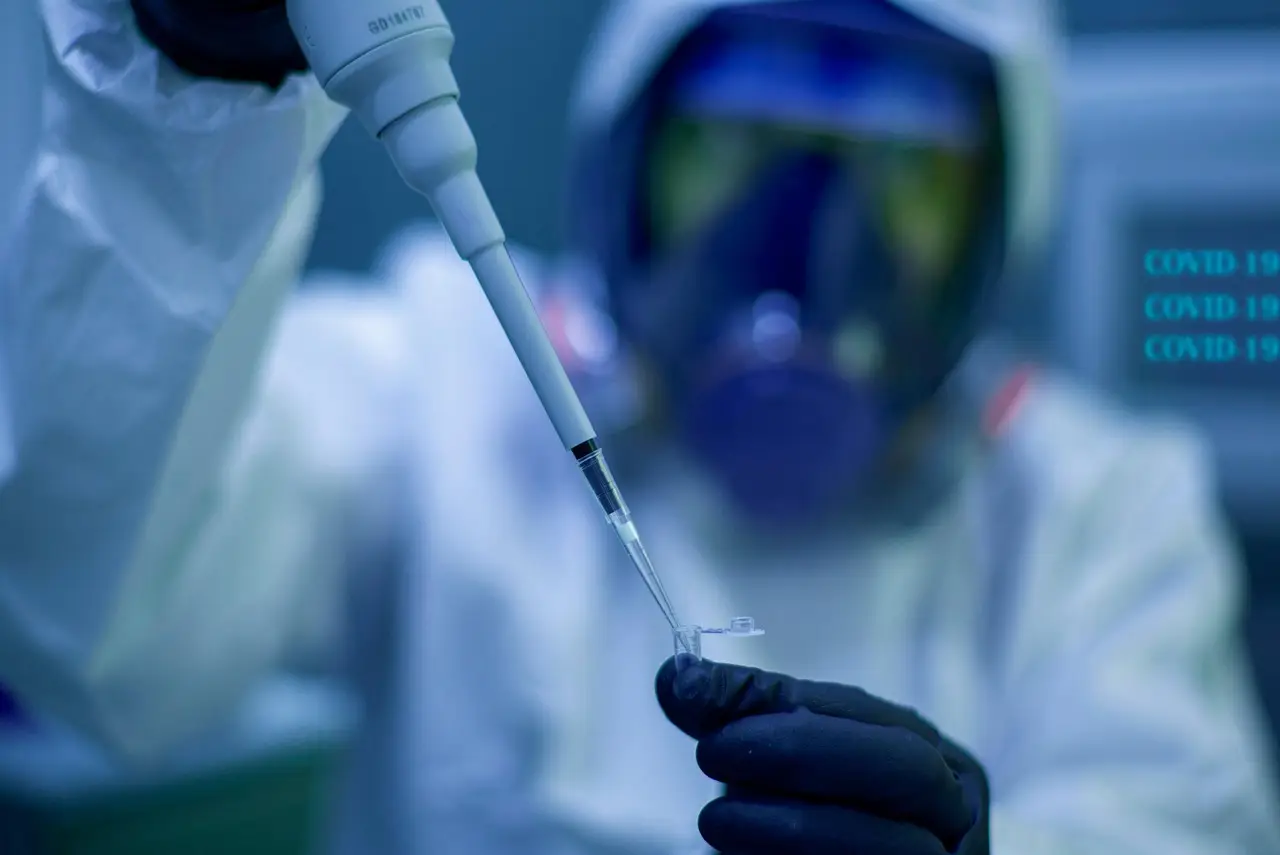
Peptides have left the skincare aisle and are now being sold as cognitive enhancers, and the evidence has not followed. A Bloomberg investigation into the growing brain-peptide market found buyers injecting synthetic compounds for focus, stress resilience and protection against cognitive decline, despite thin human data.
The ingredient class is familiar to anyone who has bought a serum in the past few years. Short chains of amino acids, peptides promise to smooth and firm skin. The new pitch is more ambitious: better concentration, mental clarity and sharper brains for longer, marketed to the longevity crowd who plan to live decades past retirement.
What do these compounds actually do?
The biology is real, to a point. The brain naturally produces dozens of peptides, called neuropeptides, that act as chemical messengers regulating mood, sleep, appetite, pain and the stress response. Oxytocin governs social bonding. Neuropeptide Y, less famous, mediates stress. Researchers have spent decades studying whether these molecules could treat neurological and psychiatric conditions.
Knowing what a peptide does naturally is different from knowing what a synthetic version does when injected. That gap has not slowed the optimization-minded consumer.
Anna Wexler, an assistant professor of medical ethics and policy at the University of Pennsylvania, told Bloomberg that some people turn to DIY treatments to push their mental capabilities further. "They want to be more productive. They want to be smarter. They Want to be more efficient," she said.
At Extension Health, a concierge longevity clinic in New York, founder and physician Jonathann Kuo treats executives and entrepreneurs after exactly that. "A lot of my clients are, baseline, really pretty healthy, just looking for that extra edge, extra boost, extra 20 percent unlock," he said.
Which peptides are in demand?
Two Russian-developed synthetic compounds lead the pack:
- Semax, investigated for neurological effects including cerebral ischaemia, a condition of restricted blood supply to the brain, and possible effects on cognitive function.
- Selank, researched for its potential effects on anxiety.
The research on Semax sits largely in Russia, with limited high-quality human trials. Claims that it sharpens cognition in healthy people remain unproven. Studies of oxytocin and neuropeptide Y are also at early stages. No established evidence shows commercial brain-peptide therapies prevent age-related cognitive decline or reliably improve mental performance.
Why is demand growing anyway?
GLP-1 medications did the groundwork. The success of semaglutide and tirzepatide pushed peptides into the mainstream, and familiarity with self-injection made experimenting with other compounds less daunting.
Daisy Wolf, a partner at Andreessen Horowitz, told Bloomberg that approved GLP-1 medicines, growing consumer appetite and changing regulation have fuelled interest in unapproved alternatives. Her verdict is blunt: "the market's enthusiasm to date has outpace the actual evidence."
Quality control is a separate problem. Much of the market runs through online suppliers and so-called research chemicals, products sold without the clinical oversight or quality controls expected of licensed medicines. In guidance published by the American Medical Association in September, Anthony C Tam, MD, cautioned that "there's nothing substantial to show these results would translate to humans," and flagged the lack of evidence on "the side effects or consequences of long-term or frequent dosing."
What changed in regulation?
On October 30, 2026, the US Department of Health and Human Services published an interim enforcement-discretion policy covering six peptides, including Semax, BPC-157 and Epitalon. Under specific conditions, licensed pharmacies and physicians can compound these substances without federal enforcement action while the FDA continues its regulatory process.
Wolf expects the industry to split into two paths: a pipeline of properly tested, regulated peptide medicines, and a consumer healthcare market built around their eventual adoption. She anticipates greater pharmaceutical investment, with applications extending beyond cognitive health into sleep, bone health and cardiovascular care.
Neuropeptides give researchers an established biological starting point. Turning that into a treatment, let alone a 20 percent unlock, requires considerably more work.
via elitetraveler.com (Source)
More from Olivia Hart
Show full bio
Senior reporter covering money, funding and market shifts around skincare, haircare, makeup, fragrance, nails at Eurasian Beauty Journal.
132 articles
Also on the counter
- Peptides Are Everywhere. What the FDA Moves Mean for Skin Care
- Cortisol at Lab Doses Outpaces Real Skin Levels 100-Fold, Consultant Warns
- Strategic Wrinkles: Patients Now Ask Injectors to Keep Some Lines
- Dermatologist in Her 50s Names Her Fall Skin Care Picks
- Neurotoxin or Filler? Dermatologists Explain How to Decide