VC-8578
Trends & CultureProduct dossier
Copper and Silver Bedding: Dermatologists Find No Proven Payoff
Three experts — two Omaha dermatologists and cosmetic chemist Ginger King — say silver and copper bedding lacks proof for acne and wrinkles. Washed pillowcases still win.
Counter notes
- Silver-infused bedding is marketed as antibacterial and acne-fighting; copper versions claim wrinkle-reduction and collagen benefits
- No definitive proof exists that either metal improves breakouts or fine lines, according to two board-certified dermatologists
- Small short-term studies of copper oxide pillowcases showed wrinkle improvements, but experts want larger independent trials
- Cosmetic chemist Ginger King says coated metals can wash out; consumers should look for fabric-embedded metal and laundering test data
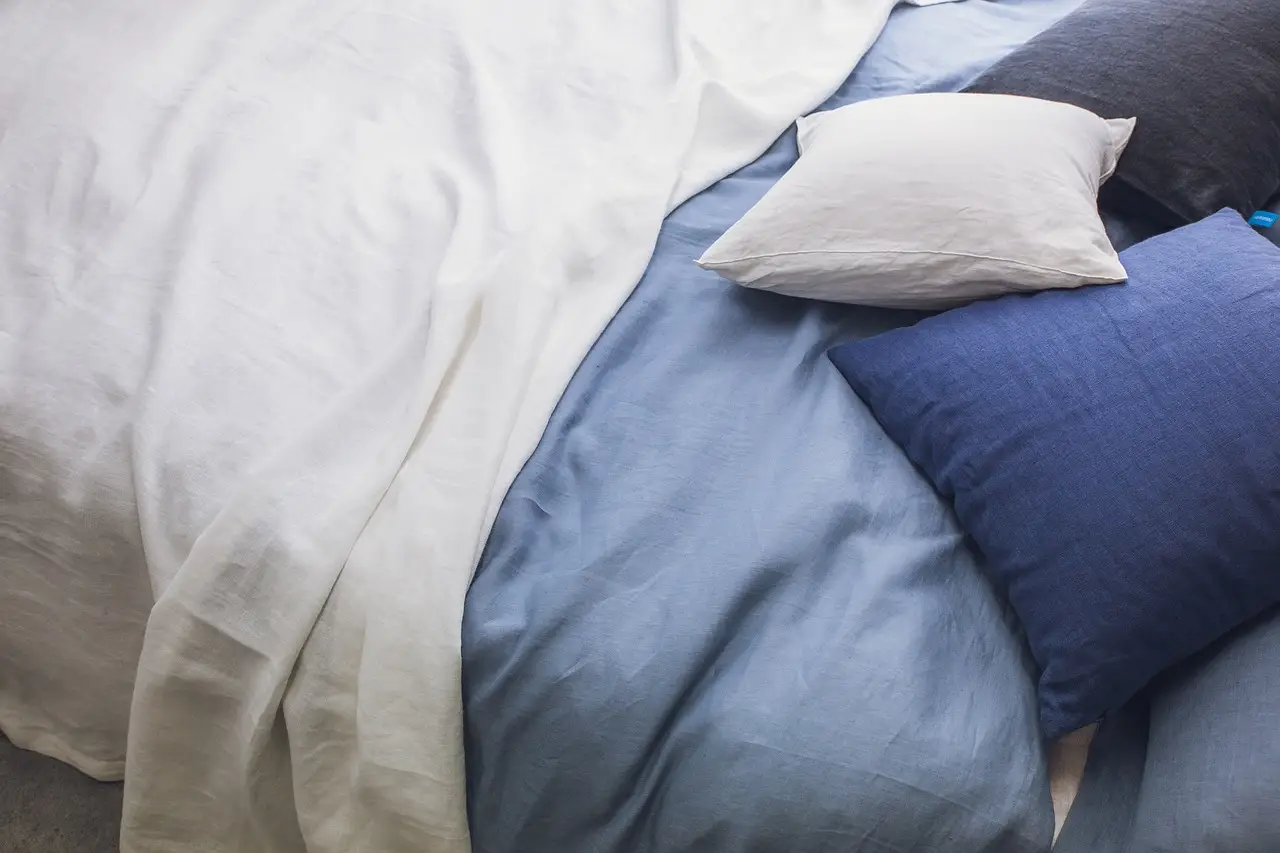
Silver- and copper-infused pillowcases and sheets are trending on social media, but three beauty industry experts say the claims outrun the evidence. Board-certified dermatologists Daniel Schlessinger, MD, and Joel Schlessinger, MD, of Omaha, NE, and cosmetic chemist Ginger King all raise doubts that the metals deliver measurable acne or anti-aging benefits from fabric to skin.
What do the brands claim?
The marketing pitches are distinct. "Silver-infused bedding is generally marketed as antibacterial and acne-fighting, while copper-infused bedding claims wrinkle-reduction and collagen benefits," explains Dr. Daniel Schlessinger.
The question is whether those properties transfer from textile to skin overnight.
Do the metals actually work?
No. "Antimicrobial activity on fabric sounds good on paper, but reducing bacteria on a textile does not establish that sleeping on it will meaningfully improve your skin," says Dr. Daniel Schlessinger. Ginger King, cosmetic chemist and president/CEO of Grace Kingdom Beauty, agrees: "Both are metal ions that have antimicrobial benefits, so it does make sense for bedding. However, using these in bedding for skin benefits is a stretch."
Her ceiling on the payoff: possibly "less acne or blemishes. Nothing beyond that."
Copper holds slightly more credibility on wrinkles. "Small, short-term studies of specific copper oxide pillowcases have reported improvements in wrinkle appearance, so the idea has some preliminary clinical support," says Dr. Daniel Schlessinger. But he cautions: "Copper plays a role in normal collagen biology, but that doesn't mean every copper-infused fabric delivers enough copper to meaningfully rebuild collagen." He wants "larger, independent studies before recommending it as an anti-aging investment."
What should consumers do instead?
Dr. Joel Schlessinger says to start with the pillowcase you already own. "I would prioritize regularly washing it to remove accumulated oil, sweat and product residue before paying extra for metal-infused fabric," he says. He adds that no pillowcase, new or freshly washed, replaces "an effective acne regimen and evaluation and treatment by a board-certified dermatologist."
On value, he is blunt: "Silk may be appealing for its smooth feel and reduced friction, while a comfortable, regularly washed standard pillowcase is perfectly reasonable." His bottom line: "I would not pay a substantial premium for metal infusion expecting proven acne control or wrinkle prevention."
How should shoppers vet the products?
Durability is the key variable, and it is under-disclosed.
- "Durability depends on how the metal is incorporated into the fabric, and some treatments presumably lose metal during washing, so I would look for testing after repeated laundering," says Dr. Joel Schlessinger.
- King advises choosing metal embedded in the fabric, not coated on top: "If it's a coating, it could wash out."
- She calls on manufacturers to "do the due diligence so consumers know how many washes the product can sustain and whether any skin-related testing was done."
- Sensitive-skin consumers face an added risk: "Some people may have metal sensitivity."
The category, which spans sheets, pillowcases, duvets and comforters, currently has no expert endorsement for acne control or wrinkle prevention. For brands, the gap between marketing claims and published evidence leaves an opening for laundering-tested, dermatologist-validated products to set the standard.
via instagram.com (Original)
More from Daniel Okafor
Show full bio
News editor covering money, funding and market shifts around skincare, haircare, makeup, fragrance, nails at Eurasian Beauty Journal.
94 articles