VC-1994
NailsProduct dossier
Cuticle Oil Over Color Trends: Experts Redefine Manicure Care
Peach Bling founder Sandra Wei calls cuticle oil "the one product I would never skip." Here, four nail professionals break down the habits that keep natural nails strong.
Counter notes
- Experts advise wearing a gel set no longer than four weeks, as regrowth stresses the nail and raises breakage risk.
- Peach Bling prioritizes gel formulas free of HEMA and TPO, ingredients linked to gel allergies and sensitivities.
- Recommended products include Dior Huile Abricot cuticle oil, Caudalíe Vinotherapist Hand and Nail Cream and JinSoon's HyperCare Cuticle Pusher + Reducer.
- Four named experts contributed: founders Krisztina van der Boom, Margaret Dabbs and Sandra Wei, plus Olive & June VP Olivia Van Iderstine.
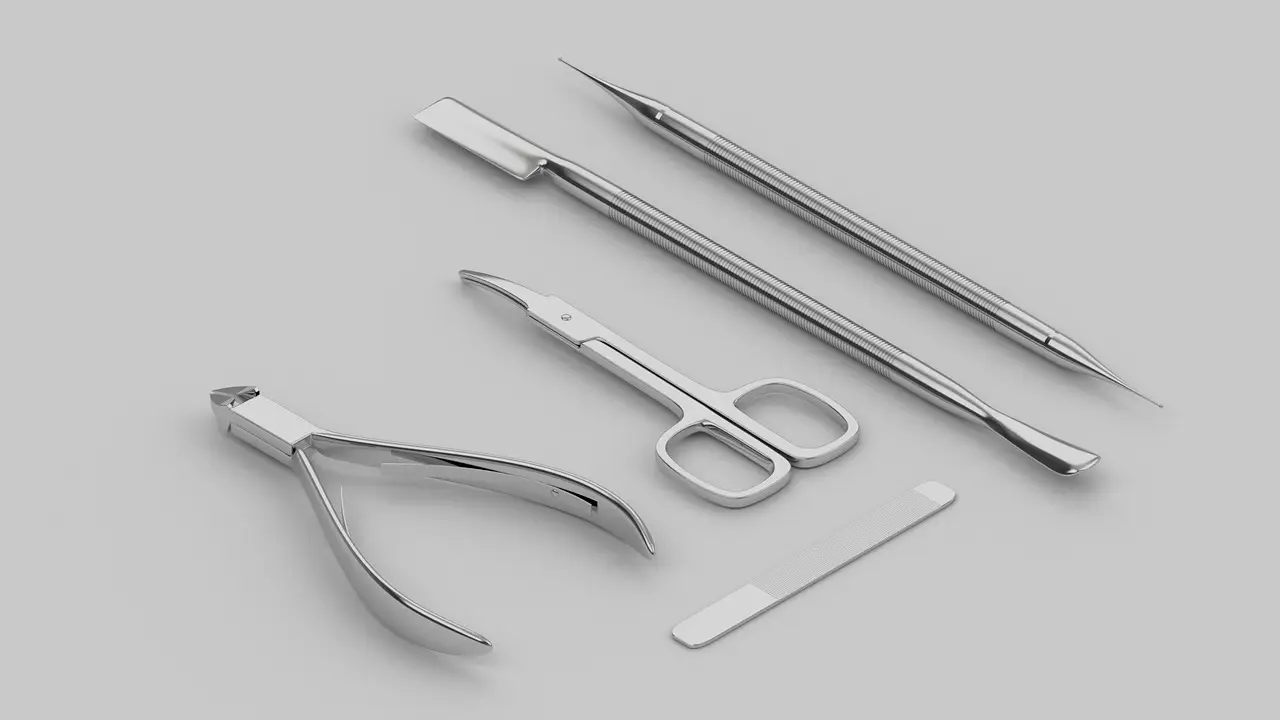
Cuticle oil is the single product no nail routine should skip, according to Sandra Wei, founder of New York studio Peach Bling. Her verdict is blunt: "Cuticle oil is the one product I would never skip." The advice reframes a category obsessed with lacquer longevity around the health of the natural nail underneath.
"The future of manicures isn't just about the latest color trends or how long your gel polish lasts, but how well we care for the nails underneath," Krisztina van der Boom, founder of London's DryBy, previously told Harper's Bazaar. Margaret Dabbs OBE, podiatrist and founder of Margaret Dabbs London, keeps it simpler still: "Adopt a dedicated nail care routine and stick to it."
What does an expert routine look like?
The core is hydration and protection. Professionals recommend:
- An emollient moisturizer, such as Caudalíe's Vinotherapist Hand and Nail Cream
- A portable cuticle oil like Dior's Huile Abricot for quick touch-ups
- A rich hand cream plus gloves for dishwashing and cleaning
"Look for a formula with jojoba oil, which has small enough molecules to absorb into the nail and surrounding skin," Wei said. She advises daily application, ideally before bed, treated as a small ritual. Water and harsh detergents rank among the most common causes of dry, weak nails.
Hydration matters more with age. Mature nails grow more slowly and hold less moisture, which contributes to brittleness and vertical ridges.
Should you trim your cuticles?
Experts have debated this for years, because cuticles guard nail beds against bacteria and infection. The consensus leans toward pushing, not cutting. "As long as you're not cutting any live skin and damaging your cuticles, gently pushing them back and buffing away excess skin will actually help improve the health and the appearance of your cuticles and will help make your manicure last as long as possible while looking salon-quality," said Olivia Van Iderstine, vice president of education and manicure trend expert at Olive & June.
Prep matters too. Apply cuticle oil or soak fingertips in warm, soapy water before a manicure, then use a disposable orangewood stick or a stainless steel tool such as JinSoon's HyperCare Cuticle Pusher + Reducer. The payoff: better polish cohesion and an elongated nail look.
Which tools prevent breakage?
Consistent, gentle filing keeps nails strong regardless of shape preference, since a smooth surface guards against splits, rips and tears. A budget emery board works. Dabbs prefers crystal files, which help prevent the micro-splits that lead to peeling and breakage—provided you do not overfile.
Can gel manicures stay nail-safe?
Yes, and the options are widening. Builder gel, Japanese gel and similar systems deliver longevity and durability without weakening natural nails.
"Japanese gel systems are known for their precision and for their focus on preserving the natural nail," Wei said. "The prep is minimal and gentle, so we avoid heavy buffing of the nail plate. The gel itself is applied in fine, structured layers that are flexible and sit close to the natural nail."
Peach Bling prioritizes formulas free of HEMA and TPO, two ingredients commonly linked to gel allergies and sensitivities. Builder gel works similarly, supporting natural nails with a rounded apex that reinforces sturdiness.
The four-week rule still applies. Experts advise keeping a gel set on no longer than four weeks, because regrowth changes the nail's balance, adds stress and makes breaks more likely. Lifting or cracking gel signals removal is due—and botched removal damages nails more than wearing gel ever did.
"What protects nail integrity is how the gel is applied and, even more importantly, how it is removed," Wei said. "With careful, gentle removal, there is no need to take a 'break' between appointments."
The takeaway for salons and clients alike: application and removal technique, not the formula itself, now define gel safety.
via instagram.com (Original)
More from Olivia Hart
Show full bio
Senior reporter covering money, funding and market shifts around skincare, haircare, makeup, fragrance, nails at Eurasian Beauty Journal.
130 articles
Also on the counter
- The 'Longevity Manicure' Puts Nail Health Before Polish
- Allure Names 8 Best Long-Lasting Nail Polishes of 2026 After Testing
- Ukrainian Manicures Last Five Weeks — and They're Conquering the West
- Amal Clooney Signals the Return of the Short, Square Manicure
- Pamela Anderson Debuts 'Blurred French' Manicure at amfAR Gala Venezia