VC-7361
Treatments & SpaProduct dossier
Eyelid Surgery Rose 19% in 2025 — and Surgeons Warn It's Not So Simple
Eyelid surgery jumped 19% in 2025, but surgeons warn a rushed upper bleph can block future brow lifts, cause dry eye and permanently change how a face reads.
Counter notes
- Cosmetic eyelid surgery rates rose 19% in 2025 year-over-year, per the American Society of Plastic Surgeons.
- Blepharoplasty overtook rhinoplasty as the most popular facial plastic surgery in 2022.
- Under-35s are the fastest-growing patient group despite most patients being over 55.
- Surgeons advise preserving at least 20 millimeters of vertical eyelid height to keep lids functional.
- Dr. Flora Levin recommends a $9.99 eyelid tape test to simulate surgical results before committing.
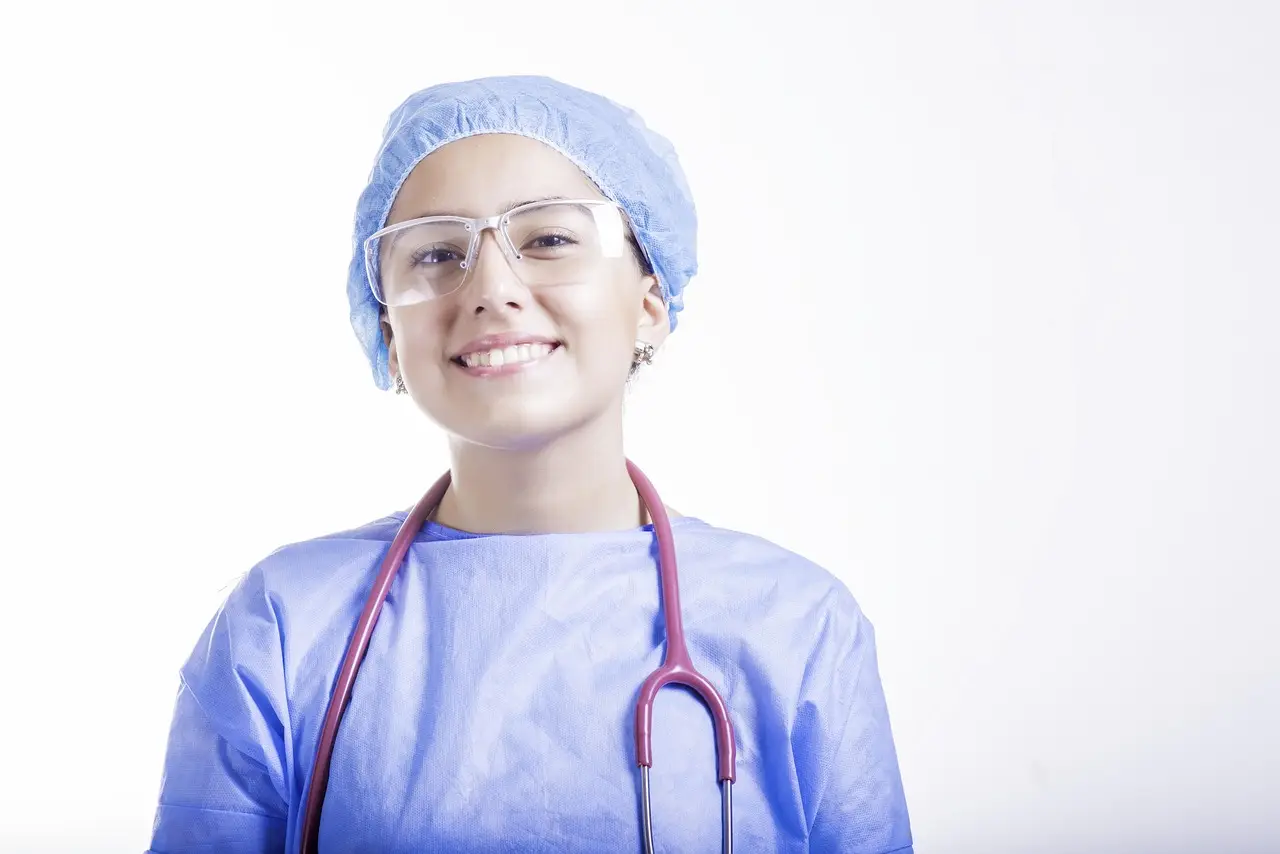
Cosmetic eyelid surgery rates rose 19% in 2025 from the previous year, according to the American Society of Plastic Surgeons — and a growing chorus of surgeons says the procedure carries risks that social media glosses over.
Blepharoplasty (surgical reshaping of the eyelids) dethroned rhinoplasty as the most popular facial plastic surgery back in 2022. Most patients are over 55, but people under 35 are the fastest-growing group seeking the operation, per the ASPS report.
The procedure looks easy on paper. It can be done awake with numbing injections in about an hour. Recovery is comparatively light. Scars, in the best case, are barely visible. On TikTok, the "bleph" is sold as a quick fix for hooded or tired eyes.
But a 2025 study of blepharoplasty content on TikTok found that even videos made by healthcare professionals fell short. Researchers concluded that "neither group adequately discusses the risk of ocular complications following a blepharoplasty."
What does an overdone bleph actually do?
The most-cited downstream risk is damage to future surgical options. Facial plastic surgeon Elizabeth Chance, MD, warned in a video post: "If you have had a previous upper eyelid lift and you have removed the skin of your upper eyelid—and particularly if you have removed a lot of it—I can no longer lift your brow to the place that I want to, because [if I did,] there would not be enough skin for you to be able to still close your eyes."
Her follow-up PSA: "All these women who are running to get their hooded, beautiful upper eyelids treated, just remember, when you do that, your future brow lift is going to be altered."
Dr. Chance also flagged technique. Leading oculoplastic surgeons such as Flora Levin, Rob Schwarcz and Brett Kotlus emphasize a muscle-preserving approach, she noted — yet "every Tom, Dick, and Harry thinks they can do a skin- or muscle-removal, and take a big chunk for an upper eyelid blepharoplasty, for quote 'bang for the buck.'"
Functional eyes, not just aesthetics
New York City oculoplastic surgeon Robert Schwarcz, MD, agreed that an imprudent upper bleph can "significantly complicate, and often limit, future brow lift options, because the eyelids and brows function as a connected mechanical unit." He said he preserves the orbicularis muscle (the ring muscle that closes the eyelid) in almost every patient and keeps at least 20 millimeters of vertical eyelid height so the lids close comfortably.
Complications extend beyond surgical planning. Too much skin removal can leave the eyelid closing incompletely and cause the brow to gradually drop. Too much fat removal, especially from the central fat pad, can leave the lids looking skeletonized. Botched or unwarranted procedures can cause or worsen dry eye and eyelid strain. Misdiagnosis is another trap: performing an upper bleph when the real problem is brow ptosis (droop) can produce a tight or unnatural result later.
"Our eyes have to function," said Dr. Chance. "We're living longer. We're on screens. We need to go with restraint rather than TikTok trends."
The identity problem — and the $9.99 test
Flora Levin, MD, of Westport, Connecticut, explains why post-surgery faces can look "wrong": over-removal of skin and central eyelid fat increases "tarsal platform show" — the space between the lashes and the crease — which can fundamentally change a face. Men face heightened risk: thicker skin, fuller lids and lower-set brows mean "an aggressive upper blepharoplasty will feminize the eyelid," she said.
Louisville plastic surgeon T. Gerald O'Daniel, MD, framed the identity issue in a Substack newsletter: "an operation can be technically flawless, and individual features aesthetically pleasing, yet the overall appearance feels inexplicably wrong, because the unique characteristics defining that person's identity have been altered."
Dr. Levin offers prospective patients a cheap screening tool: $9.99 eyelid tape from Amazon. Taping the skin inward "simulates the upper blepharoplasty result fairly predictably." If the mirrored result looks jarring rather than refreshing, she advises against surgery — at least for now.
via iovs.arvojournals.org (Original)
More from Daniel Okafor
Show full bio
News editor covering money, funding and market shifts around skincare, haircare, makeup, fragrance, nails at Eurasian Beauty Journal.
141 articles
Also on the counter
- Upper Blepharoplasty: Candidates, Recovery and Results
- Menopause Consultations Jump Among Facial Plastic Surgery Patients
- BTS's Jin Fronts Laneige's First Eye Patch Launch at $27
- The Boomerang Lift: Fat Grafting Targets Hollow Eyes and Cheeks
- Alastin Targets Crepey Upper Eyelids With Updated Eye Complex