VC-9081
Treatments & SpaProduct dossier
Upper Blepharoplasty: Candidates, Recovery and Results
Upper blepharoplasty removes excess eyelid skin and may reposition fat. Two New York surgeons outline candidacy, five-to-seven-day recovery, nonsurgical options and maintenance.
Counter notes
- Leipziger recommends 5 to 7 days off work and social activities; most patients resume normal activities within 2 weeks.
- Rabach uses local anesthesia, and fine stitches stay in place for close to 1 week before removal.
- Upper blepharoplasty removes excess eyelid skin and may remove or reposition fat.
- Rabach evaluates eyebrow position, eyelid skin, fat and how much the eye opens.
- Botox, laser and radiofrequency treatments cannot remove excess eyelid skin or fat.
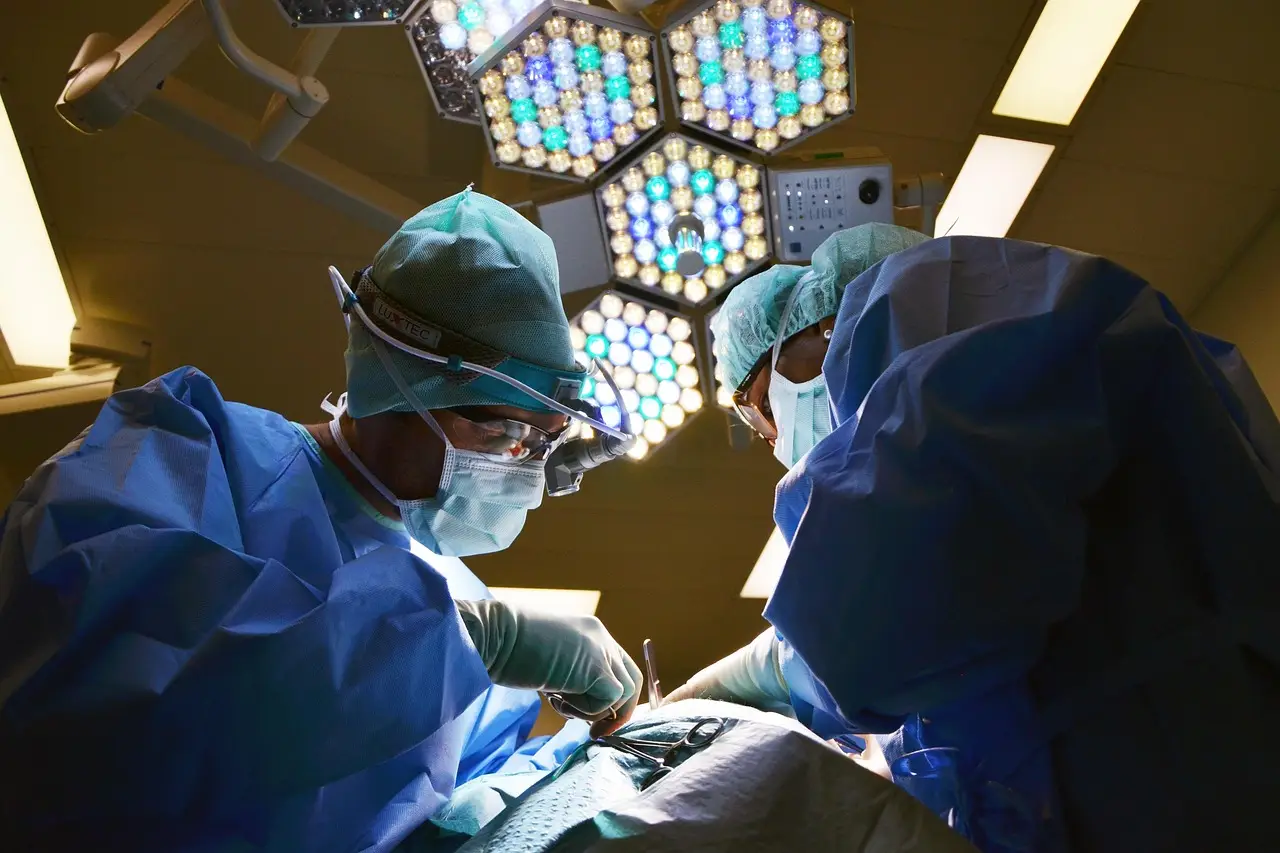
By Amara Osei
About five to seven days off work and social activities is Dr. Lyle Leipziger’s typical recommendation after an upper blepharoplasty.
Leipziger is chief of plastic surgery at North Shore University Hospital and LIJ Medical Center in New York. Dr. Lesley Rabach is a board-certified facial plastic surgeon and co-founder of Rabach Aesthetics in NYC.
What does an upper bleph correct?
Leipziger and Rabach describe blepharoplasty, or bleph, as a procedure that trims, redistributes or removes excess eyelid skin. In their clinical guidance, the procedure can improve peripheral vision or address cosmetic concerns such as hooded eyelids.
An upper bleph treats the upper eyelid, where surgeons remove skin and sometimes fat closest to the nose. A lower bleph treats puffy or sagging skin below the eye. Leipziger and Rabach’s guidance cautions that even effective eye creams and potent skin care formulas may not correct excess skin around the eyes.
Leipziger describes age-related loss of elasticity as a cause of upper eyelids that droop or look heavy. Excess fatty tissue can make the effect more pronounced. He says the procedure addresses droopiness, puffiness and under-eye bags. During surgery, surgeons remove excess skin and may remove or reposition small amounts of fat to smooth the upper eyelid contour.
“The goal is to open up the eyes and create a brighter, more refreshed appearance while preserving the patient’s natural eye shape,” Leipziger says.
Who qualifies for upper blepharoplasty?
Rabach identifies the best candidate as someone with a “normal” eyebrow position and excess skin, called dermatochalasia.
“When considering an upper bleph, your surgeon needs to look at the eyebrow position, eyelid skin, and fat, as well as how much the eye opens when determining if an upper bleph is the correct procedure,” Rabach says.
Rabach says a brow lift and/or ptosis repair may form part of the surgery. Ptosis repair reconstructs the eyelid muscles or connects them to the forehead muscle to lift them.
Leipziger says ideal candidates have good overall health, realistic expectations and concerns about drooping upper eyelid skin or possible fatty tissue. He recommends a consultation with a board-certified plastic surgeon to determine whether overhanging skin, excess fatty tissue, brow position or another anatomical factor contributes to the appearance.
What results should patients expect?
Rabach calls the results both subtle and obvious. She says the procedure removes extra skin with a crepey texture and restores the youthful appearance and natural youthful architecture of the upper eyelid.
Leipziger says repositioning small amounts of fat, when appropriate, helps create a more open, defined eye area. “Patients should experience a significant improvement with their eyes looking brighter and less tired, without ever looking ‘done,’” he says.
An upper bleph generally lasts a long time, according to Leipziger, but it does not stop or slow natural skin aging. Sagging and loss of elasticity can return over time. His stated goal is a natural-looking enhancement rather than a dramatic change in appearance.
How much downtime does recovery require?
Rabach performs upper blepharoplasty at her NYC practice several times a week under local anesthesia. “However, we use very thin stitches that stay in place for close to one week and must be removed,” she says.
Patients have little to no pain, Rabach says, but the stitches are difficult to camouflage. She tells them they can work from home on the day of surgery but should not work from the office.
Leipziger considers recovery minimal compared with other cosmetic surgeries. Most patients experience swelling, bruising and mild discomfort during the first week. These symptoms gradually improve.
He recommends a little longer off work and social activities when a lower blepharoplasty is performed. Most people resume normal activities within two weeks.
Can nonsurgical treatments replace an upper bleph?
Leipziger says nonsurgical treatments can improve the appearance of the upper eyelids, sometimes only temporarily. The options include:
- Botox, which Leipziger says can provide a subtle brow lift by relaxing specific muscles and helping open the eye area.
- Laser and radiofrequency treatments, which Leipziger says can improve skin quality and mild skin laxity by stimulating collagen production and tightening the skin.
- Fat transfer, which Rabach says can restore hollowness along the orbital bone and smooth crepey texture that develops with age.
Leipziger says these options suit patients with early signs of aging or minimal excess skin. They cannot remove excess eyelid skin or fat. “For patients with significant skin laxity or hooding, an upper blepharoplasty is typically the most effective solution for achieving a more open, refreshed appearance,” he says.
Rabach also recommends lasers such as CO2 to improve skin quality. She specifies that they cannot replace surgical removal of excess skin.
How do patients maintain results?
Eyelid skin continues to age after an upper blepharoplasty, even when surgeons leave less of it in place, according to Rabach. “Always wear sunscreen and wear sunglasses to protect the skin, as it’s the thinnest skin on the body and very delicate and prone to sun damage,” she says.
Leipziger says long-lasting results also depend on general health and care of the area. He recommends medical-grade skin care products with retinol or peptides. Patients may also benefit from complementary nonsurgical treatments, including Botox, laser skin rejuvenation and chemical peels.
Proper skin care and maintenance can help patients enjoy a refreshed appearance for many years, Leipziger says, although surgery cannot stop the aging process. Patients with early changes may respond to Botox or laser, while significant hooding calls for the skin and fat removal that nonsurgical options cannot provide.
via drleipziger.com (Original)
More from Amara Osei
Show full bio
Staff writer covering technology and product news in skincare, haircare, makeup, fragrance, nails at Eurasian Beauty Journal.
137 articles
Also on the counter
- Alastin Targets Crepey Upper Eyelids With Updated Eye Complex
- BTS's Jin Fronts Laneige's First Eye Patch Launch at $27
- Menopause Consultations Jump Among Facial Plastic Surgery Patients
- The Boomerang Lift: Fat Grafting Targets Hollow Eyes and Cheeks
- Botox or a Brow Lift? A Surgeon's Guide to Sagging Brows