VC-4136
Trends & CultureProduct dossier
Florence Pugh Denies Plastic Surgery and Ozempic — and Reinforces a Stigma
Florence Pugh denied Ozempic and plastic surgery in an Instagram statement against body scrutiny — but critics say her wording reinforces stigma around cosmetic procedures.
Counter notes
- Florence Pugh said in an Instagram statement she has never taken Ozempic or had plastic surgery.
- She attributed her appearance to muscle building and changing her relationship with alcohol.
- She said she is pursuing lawsuits over publications allegedly using fake images implying injectables.
- Critics faulted her line 'someone I'm not' for implying cosmetic work is shameful.
- The critique defends injectables and GLP-1 use as morally neutral choices.
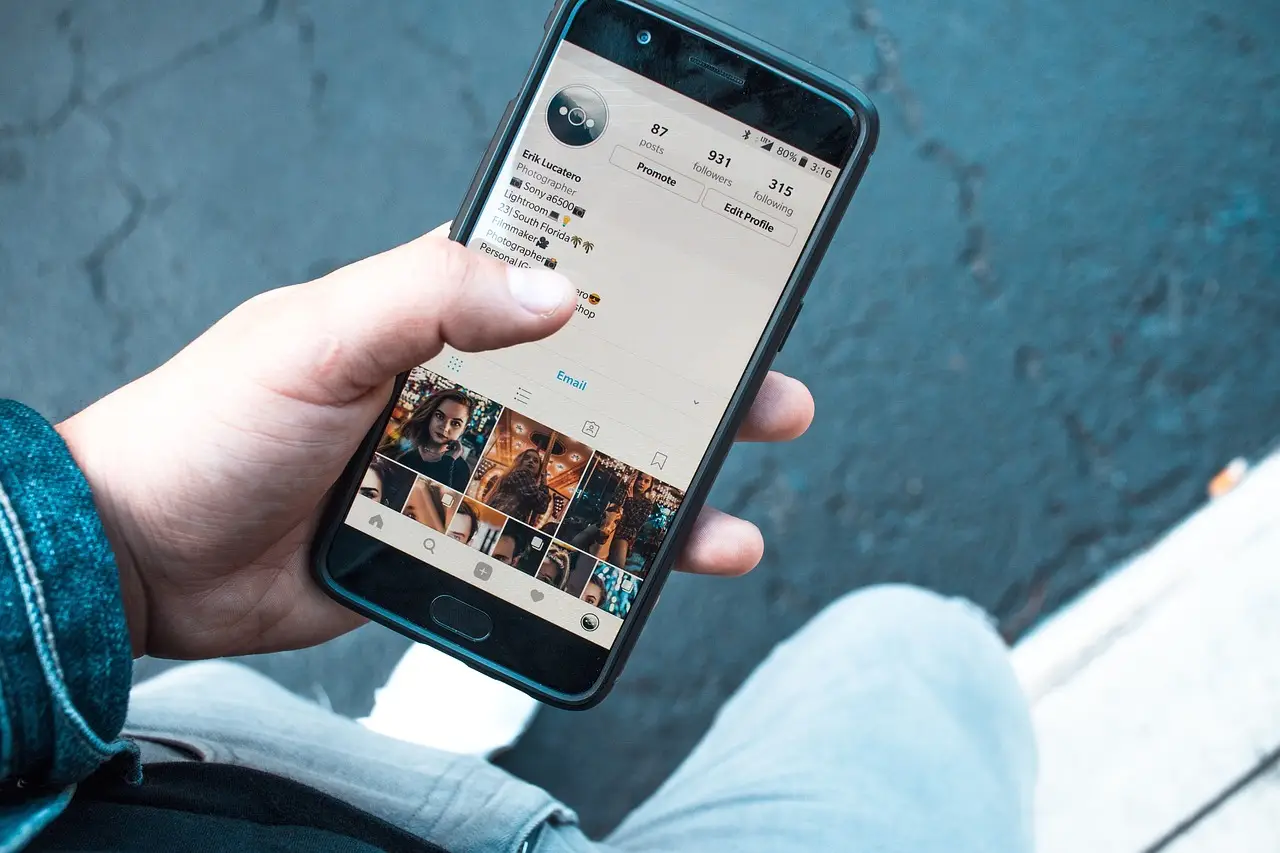
Florence Pugh says she has never taken Ozempic or had plastic surgery — and the way she said it is the problem. In an Instagram carousel posted as a Notes app statement, the actor pushed back against strangers dissecting then-and-now photos of her body and confidently naming the medical interventions they believe she underwent.
She is right to object. Ordinary women already field enough unsolicited commentary about their appearance. Waking up to thousands of people running your proportions through what one commentator called a graphing calculator, while judging you for surgery they think you had or a drug they think you take, is another order of intrusion entirely.
What did Pugh actually say?
Pugh attributed her changed appearance to taking better care of herself, building muscle and changing her relationship with alcohol. She said she is proud of her pull-ups. She also voiced frustration over publications allegedly using fake images that made it appear she had injectables — frustration accompanied, reportedly, by lawsuits.
But one line stopped readers cold: "Yes I'm disturbed. For women who now think that I'm someone I'm not."
That sentence carries an implication Pugh never states outright. She never says people who get plastic surgery or use weight-loss medications should be ashamed. She does not have to. The suggestion that being mistaken for someone who has had work done is disturbing does the work on its own.
Why the denial stings
The critique, articulated in a widely shared opinion piece, is blunt: there is a way to say "I haven't had those procedures" without making it sound as though being mistaken for someone who has is an insult. If Pugh got a brow lift tomorrow, would it really make her a different person?
The writer speaks from experience. She is open about getting cosmetic injectables and taking a GLP-1, has not had surgery, and may get something lifted in the future. She assigns no moral weight to any of it.
That is not an expectation placed on Pugh. The actor owes no confession. If she has had work done, she is entitled to keep it private. If she has not, she is equally entitled to say so. But doing so while implying that Person Who's Had Plastic Surgery is an offensive identity, the argument runs, gives almost as much pause as the people analyzing her nose in front of a green screen.
A structural problem, not a personal one
The opinion piece is careful to say it does not believe Pugh thinks less of anyone for getting a nose job, Sculptra, a facelift or monthly Zepbound deliveries. The problem is systemic. Hollywood has spent decades imposing unrealistic beauty standards on women while expecting them to pretend those standards require no effort, intervention or assistance.
Women are criticized for aging, criticized for what they might be doing when they do not appear to age, criticized for losing weight, criticized for gaining it. The critique asks only this: whichever end you are on, stop treating the tools women choose — cosmetic procedures, weight-loss medication — as moral failings.
What happens next
Pugh's larger point, that people's appearances are not open invitations for public scrutiny, stands. But the gentleness she requests has to extend to the women who actually get the procedures she is accused of having. Women are damned if they do and damned if they do not; the piece closes with the wish that high-profile women on the receiving end would stop adding to the damning themselves.
via instagram.com (Original)
More from Grace Kim
Show full bio
Correspondent covering technology and product news in skincare, haircare, makeup, fragrance, nails at Eurasian Beauty Journal.
121 articles
Also on the counter
- Kim Kardashian's New Biography Skips Plastic Surgery Entirely
- Stress From a Bad Boyfriend Shows on Your Skin, Science Suggests
- Jennifer Lawrence Confirms Breast Lift: 'I Want to Be a Sexy Mom'
- Glutemaxxing Goes Clinical: Men's BBLs Jumped 48 Percent
- Menopause Consultations Jump Among Facial Plastic Surgery Patients