VC-6572
Treatments & SpaProduct dossier
Glacē vs. Hydrafacial vs. DiamondGlow: A First-Person Cost-Breakdown
Glacē, Hydrafacial and DiamondGlow all vacuum pores and infuse serums for $150-$500. One reviewer tested all three and found clear differences in speed, price and longevity of results.
Counter notes
- Glacē launched in 2025 from Candela; sessions average $150-$350.
- Hydrafacial signature treatments run $150-$350; DiamondGlow typically $150-$300, with premium facials at $500+.
- DiamondGlow exfoliates, extracts and infuses serum in a single wand pass; the others split the steps.
- Dermatologists recommend exfoliating facials quarterly, not weekly, as a maintenance schedule.
- The reviewer found Glacē gave the most immediate glow; DiamondGlow results drew compliments for at least a week.
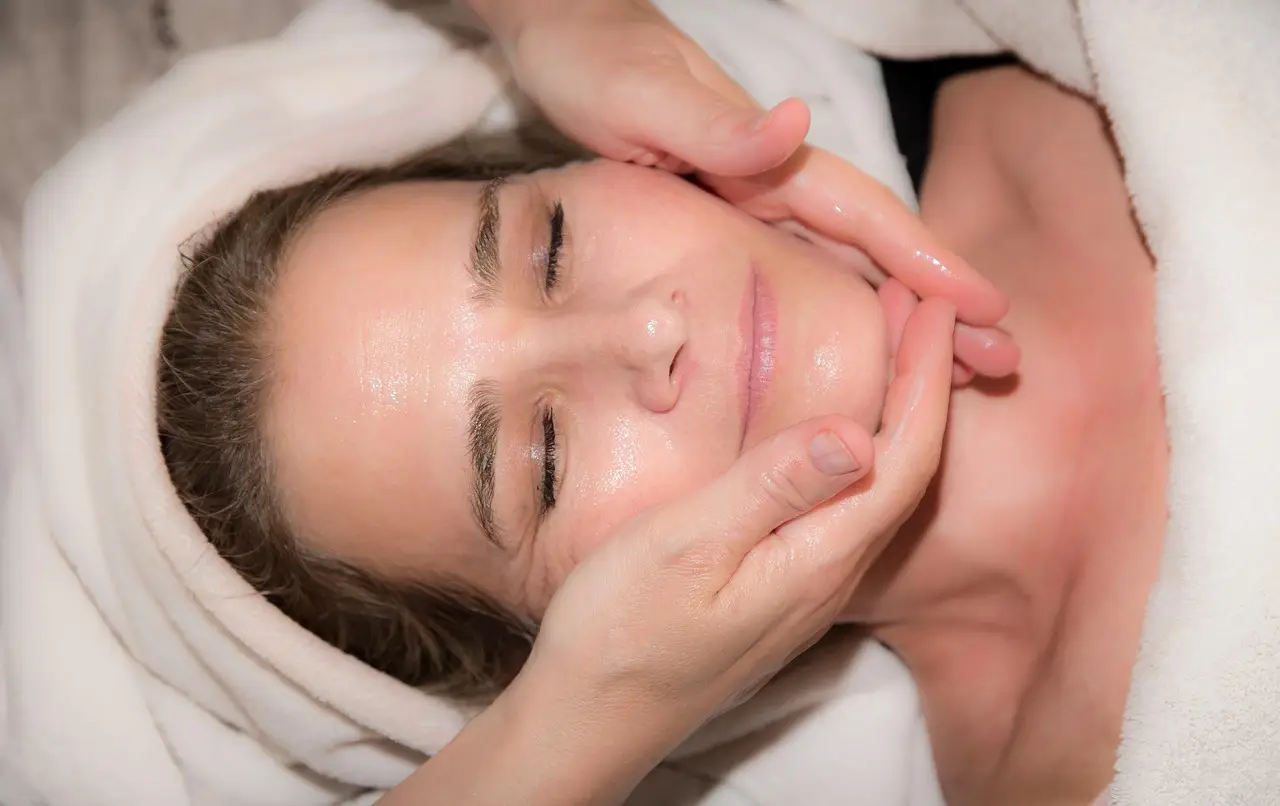
Three machine-based facials — Glacē, Hydrafacial and DiamondGlow — cost $150 to $500 per session, and one reviewer just tested all of them back to back.
All three promise the same thing: a luminous, hydrated complexion with zero downtime. All three follow the same three-part structure — cleanse, exfoliate, infuse serums — and all three use vacuum-powered devices that clear out blackheads and whiteheads while pushing actives into the skin.
The differences sit in the details. Here is what separates them.
What is Glacē?
Glacē — pronounced "glassy" — launched in 2025 from Candela. It combines hydrodermabrasion, LED light therapy and lymphatic massage. Sameer Bashey, MD, a board-certified dermatologist and clinical instructor at the University of Southern California, recommends it for anyone seeking hydration, radiance and a cooling, soothing treatment.
A session at On Esthetic in lower Manhattan, with founder Julianny Goncalves, ran through a double cleanse, TheraFace Depuffing Wands, steaming, a diamond-tipped hydrodermabrasion pass, cupping for lymphatic drainage, a sheet mask, ten minutes of LED and SPF. The treatment infused Candela's "Silky Touch" serum, which contains niacinamide, lavender and cranberry.
Mona Gohara, MD, a board-certified dermatologist in Hamden, Connecticut, flagged one caveat: niacinamide strengthens the barrier and cranberry may offer antioxidants, but "lavender may irritate sensitive skin."
Results lasted up to two weeks and were the most immediately radiant of the three. Monthly sessions are considered ideal. Average prices run $150 to $350.
What does Hydrafacial do differently?
Hydrafacial skips the diamond tip in its base protocol and starts with glycolic and salicylic acid serums for chemical exfoliation, delivered through a patented plastic spiral tip and patented Vortex-Infusion technology. Corey Hartman, MD, a Birmingham, Alabama dermatologist and paid brand consultant, called it "a hydration tool that also decongests and sucks all the gook out of your pores" and said "it can give that patient that red carpet look with no downtime."
Dr. Gohara simplified the mechanics: the spiral tip circulates fluid across the skin — "think of washing a floor with a machine that puts down clean water and picks up the dirty water, rather than pushing the same wet mop around."
The reviewer booked the mid-tier "deluxe" treatment at Skin Spa in Flatiron. Tiers run from "signature" to "platinum," with more steps added as the level rises. Add-on boosters like the peptide-infused DermaBuilder serum cost extra. The brand now offers a diamond-encrusted exfoliation tool for an added fee set by providers.
A signature treatment costs roughly $150 to $350. The session left the reviewer red and tight, but skin settled by morning and stayed dewy for days — including through an engagement party two days later.
Where does DiamondGlow fit in?
DiamondGlow, performed at Shafer Clinic Fifth Avenue by aesthetician Edyta Jarosz, uses a diamond-infused wand like Glacē. Unlike the others, the device extracts, exfoliates and infuses simultaneously in one pass. Serums come from SkinMedica; both brands are owned by Allergan Aesthetics.
"It can be a great option for regular skin maintenance, but I also love it before special occasions because there is minimal downtime," Jarosz said. "I've incorporated it into facials ahead of weddings, red-carpet events, and other occasions when clients want their skin to look fresh, smooth, and glowing."
Jarosz chose a moderate-exfoliation tip and SkinMedica's Hydra Collagen Hydrator serum — the only treatment of the three that also infused serum into the lips. Her facials start at $500; a standalone DiamondGlow typically runs $150 to $300. Compliments on the complexion lasted at least a week.
Who should skip these treatments?
Anyone with chapped, irritated or broken skin — including active acne, cold sores, eczema, rosacea flares or sunburn. "Exfoliating an already compromised skin barrier can amplify inflammation rather than deliver that coveted glow," Dr. Gohara said. Patients should disclose allergies, pregnancy, isotretinoin, retinoids and recent procedures.
These facials will not fix acne scarring, deep wrinkles, substantial pigmentation or laxity; Dr. Bashey points to lasers, chemical peels, microneedling and radiofrequency for those concerns. Dr. Gohara recommends quarterly sessions for maintenance — "a seasonal refresh without chasing constant exfoliation."
The operator matters as much as the machine. "The best facial isn't necessarily the newest or most aggressive one," Dr. Bashey said. "It's the one that matches what your skin actually needs."
via sameerbashey.com (Original)
More from Olivia Hart
Show full bio
Senior reporter covering money, funding and market shifts around skincare, haircare, makeup, fragrance, nails at Eurasian Beauty Journal.
138 articles
Also on the counter
- Allure Names Prequel Gleanser Best Moisturizing Face Wash for Mature Skin
- SkinCeuticals Leads Allure's 2026 Hyaluronic Acid Serum Lineup
- Kiehl's CollaShot Serum Scores 4.3 Stars From 998 GLP-1 Testers
- Allure Names 9 Best Moisturizers for Mature Skin, From $20 to $230
- BTS's Jin Fronts Laneige's First Eye Patch Launch at $27