VC-8623
Trends & CultureProduct dossier
The 'Quiet Era' of Aesthetics: Undetectable Injectables Replace the Snatched Look
Practitioners are dissolving high-volume filler for bio-stimulators and hyper-specific Botox dosing. Molly Bailey calls it the 'quiet era' of aesthetics — undetectable results over the snatched look.
Counter notes
- Molly Bailey of Face Forward Regenerative Aesthetics declares a 'quiet era' of undetectable injectables in Beverly Hills and St Louis
- High-volume filler is being dissolved and replaced with bio-stimulators that prompt the body's own collagen production over months
- Dr Sam Bunting of Harley Street reports hyper-specific, little-and-often Botox dosing that preserves natural movement
- Hyperrealism brows use machine techniques to recreate individual hairs of varying direction, length and density
- Bailey's triage rule: 'right patient, right treatment, right time' — and she will decline unsuitable cases
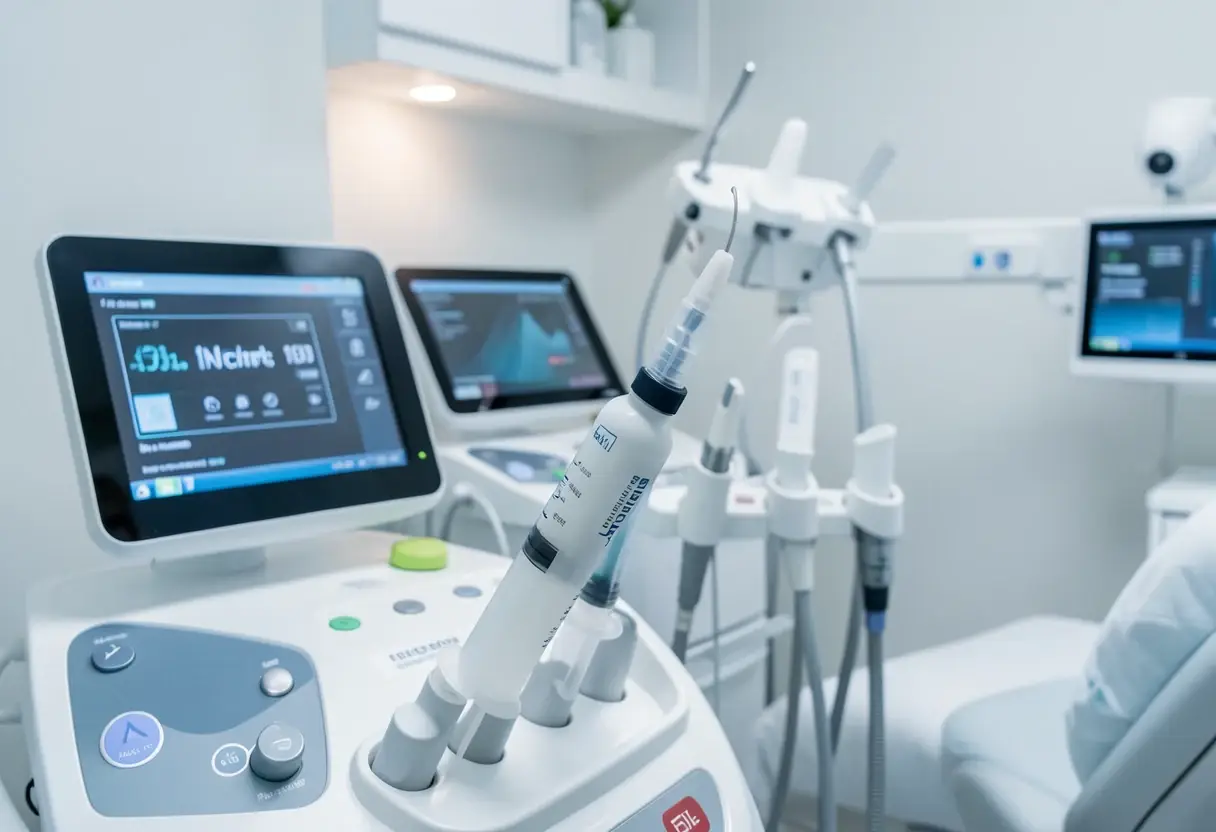
Patients now want injectables nobody can detect, and practitioners are rebuilding their menus around that demand. The era of frozen foreheads, oversized lips and hourglass cheeks as status symbols is closing, replaced by what one Beverly Hills clinician calls the "quiet era" of aesthetics.
"We have absolutely entered what I call our 'quiet era' of aesthetics," says Molly Bailey, board-certified physician associate and founder of Face Forward Regenerative Aesthetics in Beverly Hills and St Louis. "Now patients are seeking undetectable injectables rather than the overtly 'snatched' and contoured look."
What is driving the shift?
The engine is regenerative aesthetics: interventions that stimulate the skin's own repair mechanisms rather than simply adding volume. "Regenerative aesthetics is about looking like the best version of yourself at any age," says Bailey. "So inherently, we're accepting our perceived imperfections and celebrating them."
The biggest clinical change, in her view, is the retreat from high-volume filler. Practitioners increasingly dissolve old filler and replace it with bio-stimulators — "The Row of injectables," in Bailey's phrasing, borrowing the quiet-luxury label.
A bio-stimulator works differently from traditional filler. "A bio-stimulator is an injectable treatment that encourages your body to produce its own collagen, the protein responsible for keeping skin firm, smooth, and supported," Bailey explains. Results build gradually over months instead of appearing instantly. "This low-and-slow effect keeps patients looking like themselves, but better, with time."
How has Botox use changed?
Wrinkle-relaxing injections are not falling out of favor, but dosing has become more surgical in its logic. Dr Sam Bunting, a medical doctor and cosmetic dermatologist at her eponymous Harley Street clinic, says patients are growing comfortable with asymmetry, wrinkles and natural facial movement.
"The new shift is about hyper-specific placement," she says. "A little-and-often approach maintains a consistent appearance but no one knows what you've done."
Stigma around cosmetic tweaks is fading fast, and discretion no longer requires secrecy. The difference, per Bunting's observation, is that people no longer feel defined by their treatments.
Where else is restraint showing up?
The philosophy extends well beyond needles:
- "Naked manicures": meticulous minimal nail work, exemplified by Chanel nail artist Betina Goldstein's recent designs.
- "Hyperrealism brows": an advanced machine technique creating fine hair strokes of varying direction, length and density to mimic real hair's movement and irregularity — a direct reversal of the universally perfect brow.
"People want to look like themselves, just a little more refined," says Hollie Parkes, resident brow artist at London's Claridge's. "Technical innovation has made that possible, particularly with hyperrealism brows, where we can recreate individual hairs with incredible precision. It's less about achieving a particular look and more about preserving what makes someone's face unique."
There is knowing irony in needing more work to look less "done." Effortless results demand the most skill. "Creating something that looks effortless often involves far more planning, technical skill and attention to detail than people realise," Parkes says. What clients pay for is judgement — knowing exactly how much is enough. "To me, that's where true luxury lies: in the details you don't immediately notice."
Is "natural-looking" just another impossible standard?
Using artifice to look natural invites an obvious objection. Bailey rejects it. "There will always be impossible beauty standards, and whether they're natural-looking or not, it's never healthy to make something unattainable the goal." Enhancement becomes a slippery slope when it chases a prescribed aesthetic, which is why she reads the turn toward individuality as progressive.
Her operating principle is clinical triage, not salesmanship. "Modern aesthetics is about the right patient, right treatment, right time," Bailey says. If a treatment is not appropriate, her answer is short: "I'll say no." That two-word veto may be the clearest signal of where the industry is heading.
via elitetraveler.com (Source)
More from Olivia Hart
Show full bio
Senior reporter covering money, funding and market shifts around skincare, haircare, makeup, fragrance, nails at Eurasian Beauty Journal.
152 articles
Also on the counter
- Surgery Is Back: Plastic Surgeons Map 2027's Big Shifts
- Filler Plus Biostimulators Plus Energy Devices: The Three-Step Fix for GLP-1 Faces
- Belotero Volume and Intense Fillers Make U.S. Debut for Cheeks and Lips
- Ariana Biermann Calls SKINVIVE by Juvéderm Her Latest Obsession
- Skin Quality Replaces Wrinkle-Chasing as the New Anti-Aging Standard