VC-8570
SkincareProduct dossier
Dermatologists Confirm: Applying Skin Care to Damp Skin Boosts Hydration
Dermatologist Dr. Dendy Engelman says applying serums to damp skin prevents water loss and plumps skin — no new products required. Strong retinoids are the exception.
Counter notes
- The water method applies hydrating products to damp, not dry, skin after cleansing.
- Dr. Dendy Engelman recommends hyaluronic acid, glycerin, and beta-glucan as key humectants.
- Candace Marino adds a toner or micellar water step to remove tap-water mineral residue.
- Strong retinoids and exfoliating acids should go on fully dry skin, Engelman says.
- The method differs from skin flooding, which layers multiple hydrating products.
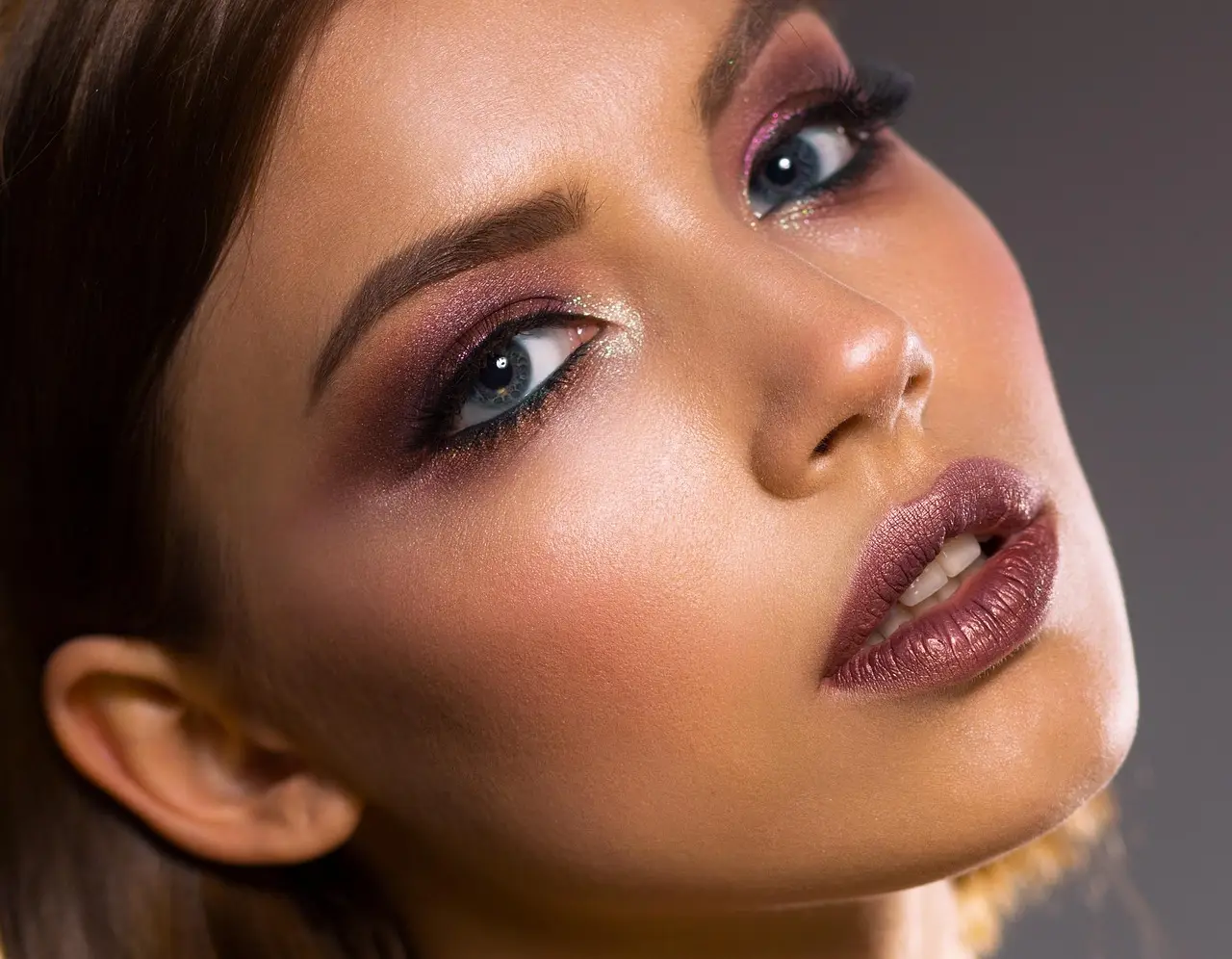
Applying hydrating products to damp skin, not dry skin, is the core of the water method — and dermatologists say it works without buying anything new. Board-certified dermatologist Dr. Dendy Engelman calls it a simple adjustment that does not require purchasing an entirely new routine.
The technique involves applying hydrating products while skin is still slightly damp after cleansing. "After cleansing, I recommend gently patting away excess water so your face is damp but not dripping, then immediately applying a hydrating serum or essence followed by moisturizer," Engelman told ELLE. "The idea is to take advantage of that residual moisture and help prevent water loss, leaving the skin looking plumper, smoother, and more hydrated."
What does the water method change in practice?
L.A.-based facialist Candace Marino adds two preliminary steps. She recommends following a cleanser with a toner or micellar water before the rest of the routine, because public tap water can carry disinfectant chemicals, dissolved minerals and metals, and trace synthetic compounds.
"Water quality varies by location, and even treated water can leave mineral deposits on the skin. For some individuals, water quality and its mineral content may also contribute to irritation or dryness," Marino said. A toner or micellar water removes those residues and prepares skin for subsequent products. She then applies a hydrating essence or mist to slightly damp skin, followed by serums and moisturizer. "The goal is to create a well-prepared surface, build hydration, and then support the skin's ability to retain moisture," she said.
Is the water method the same as skin flooding?
No. Engelman distinguishes the two. "The water method focuses on applying skin care to damp skin, while skin flooding typically involves layering several hydrating products, such as a mist, essence, serum, and moisturizer, to maximize hydration," she said. Both pair water with moisture-attracting ingredients. "I always remind patients that you don't necessarily need a complicated, multi-step routine to get the benefits. Sometimes a hydrating essence and a good moisturizer are all you need," Engelman added.
Why damp skin matters
Natalia Gusman, FNP-C, a family nurse practitioner and founder of Atalier Aesthetix, explains the mechanism. "When your skin is still damp, there's already water on the surface, and hydrating ingredients like hyaluronic acid can help attract and hold onto that moisture," she said. Dehydrated skin shows fine lines more clearly and looks dull; improved hydration temporarily softens them.
The experts' recommended ingredients:
- Humectants: hyaluronic acid, glycerin, beta-glucan (attract and retain moisture)
- Barrier supporters: panthenol, squalane
- Antioxidants and peptides to fight free radicals
Engelman recommends IUNIK Beta-Glucan Lacto Barrier Milk Essence for layered hydration. Marino names Forlle'd P-effect Refining Lotion, citing its low-molecular-weight hyaluronic acid, plus a well-formulated mist for daytime tightness.
Does it work on all skin types?
Yes, all experts see benefit across skin types. Gusman flags dry, dehydrated, and mature skin as the clearest cases: "As we age, our skin naturally becomes less efficient at retaining moisture."
Marino says oily and acne-prone skin should use lightweight, non-comedogenic, gel-based formulas, while dry skin suits a richer moisturizer. Sensitive or barrier-compromised skin needs a simple routine with well-tolerated products rather than layered actives.
Exfoliation comes first, Marino insists. "Exfoliation is the key to hydration. I see so many people layering hydrating serums, oils, and rich creams onto their skin, wondering why they still struggle with dryness, dullness, and dehydration," she said. "You can spend a fortune on beautiful hydrating products, but if you're layering them over excess surface buildup, you're not necessarily getting the results you're looking for." She recommends gentle enzymatic exfoliation over aggressive scrubbing.
What are the risks?
Damp skin increases penetration of actives, which can raise irritation. "I generally recommend applying strong retinoids, exfoliating acids, and other potentially irritating treatments to fully dry skin, unless the product instructions say otherwise, because damp skin can increase penetration and make sensitive skin more reactive," Engelman said. Gusman adds that people with rosacea or a compromised barrier should avoid fragrances and irritating actives. The method's staying power will depend on whether consumers embrace sequencing over new purchases — a harder sell in a market built on product launches.
via instagram.com (Original)
More from Daniel Okafor
Show full bio
News editor covering money, funding and market shifts around skincare, haircare, makeup, fragrance, nails at Eurasian Beauty Journal.
99 articles
Also on the counter
- Bath & Body Works Launches Essentials Line for Sensitive Skin
- Wet Dry Shampoos Trade Aerosol Powder for Water-Based Mists
- Dermatologist in Her 50s Names Her Fall Skin Care Picks
- Ariana Biermann Calls SKINVIVE by Juvéderm Her Latest Obsession
- Allure Names Prequel Gleanser Best Moisturizing Face Wash for Mature Skin