VC-8869
Wellness & LongevityProduct dossier
DZNE Study Links 10 Diets to Slower Biological Aging in 7,500 Adults
DZNE researchers tracked 7,500 adults and found 10 eating patterns, from Mediterranean to plant-based, linked to slower biological aging — with 70 percent of affected pathways shared across all diets.
Counter notes
- DZNE studied about 7,500 adults across 10 diets including Mediterranean, Nordic, DASH, MIND and plant-based.
- Over 70 percent of affected biological pathways were shared across all ten diets.
- More than 90 percent of American women miss the recommended 21–25 grams of daily fiber.
- Eating 30+ plant foods weekly is linked to greater gut microbiome diversity.
- The diet–aging link was stronger in smokers, researchers found.
A study of roughly 7,500 adults by the German Center for Neurodegenerative Diseases (DZNE) found that closer adherence to any of 10 healthy eating patterns was associated with slower biological aging. The patterns included the Mediterranean, Nordic, DASH, MIND and plant-based diets.
The study measured aging with epigenetic clocks (chemical marks on DNA called methylation that shift as cells age), not wrinkles. "It looked at biological aging, measured with epigenetic clocks," said Caitlin Hosmer, MS, RD, LDN, registered dietitian and co-founder of MenoPantry. "In about 7,500 adults, the researchers found that following any of 10 healthy eating patterns more closely was associated with slower biological aging."
The effect was modest and shows association, not causation, Hosmer noted.
What do the diets share?
More than 70 percent of the biological pathways affected were the same across all ten diets. "I interpret that to mean that no single superfood is doing the work, and it affirms that food, diet, and nutrition impacts us on the cellular level," Hosmer said.
The shared foods:
- Deeply colored vegetables and fruits — leafy greens, berries, beets, cherries — rich in polyphenols (plant compounds that act as antioxidants and feed gut bacteria).
- Legumes: beans, lentils, chickpeas.
- Whole grains, nuts and seeds, including ground flaxseed, walnuts and oats.
- Oily fish and extra-virgin olive oil.
- Fermented foods: yogurt, kefir, sauerkraut.
- Herbs, spices and teas: green tea, ginger, turmeric.
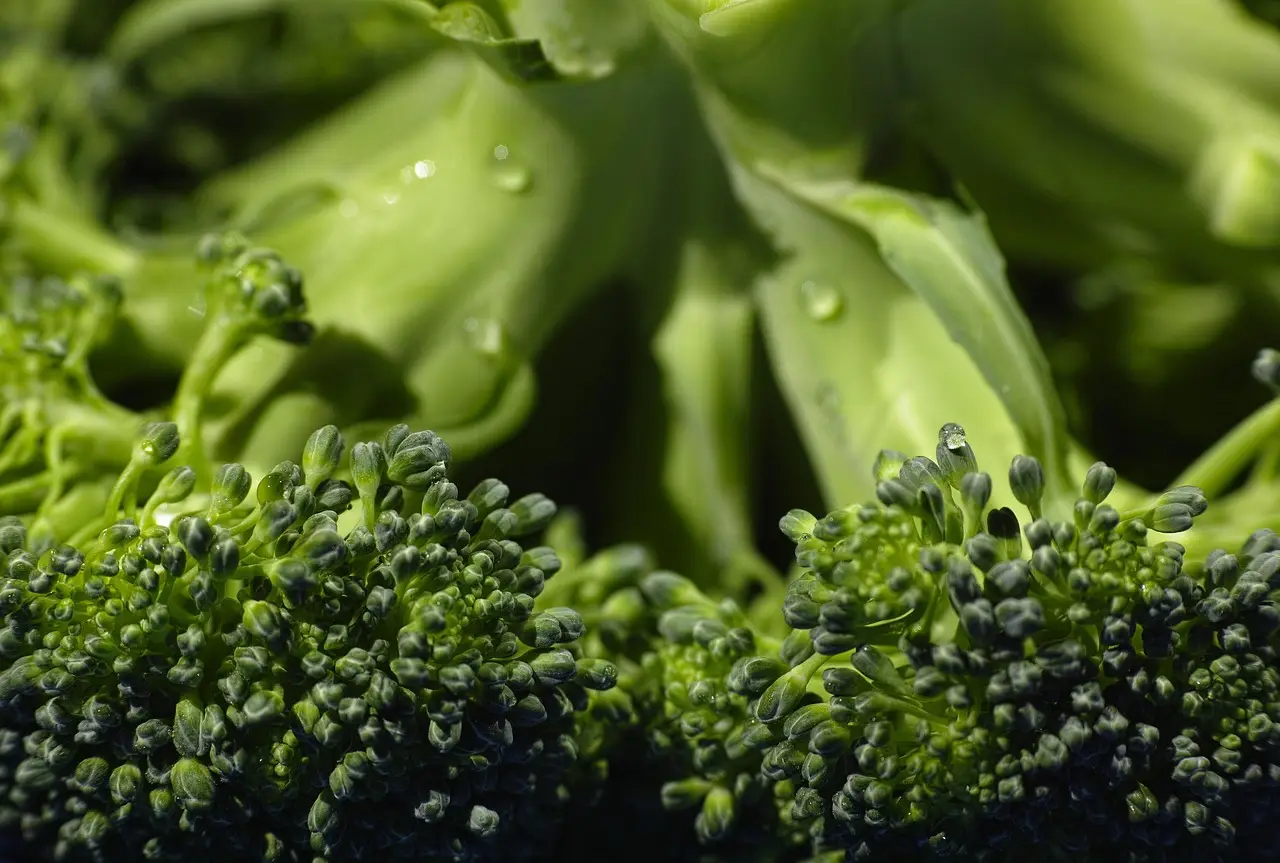
- Cruciferous vegetables containing sulforaphane, which Gilbert links to possible protection for the eyes, kidneys and cardiovascular system.
Nutritionist Mark Gilbert of The 1:1 Diet by Cambridge Weight Plan cautioned that no single food has been shown on its own to slow aging. "Of all the predictors of a long, healthy life, two of the best, which can be improved with diet, are muscle mass and strength," Gilbert said, while noting scientists remain divided on high-protein diets and longevity.
Protein, fiber and plant diversity
"As we age, our muscles respond less efficiently to the protein we eat," Hosmer said, describing anabolic resistance, worsened in women by dropping estrogen. Over 90 percent of American women fail to reach the recommended 21 to 25 grams of fiber daily, she added. American Gut Project research found people eating 30 or more plant foods weekly had more diverse gut microbiomes than those eating 10 or fewer.
What to limit?
Hosmer flagged refined carbohydrates, added sugars, heavily processed meat and regular alcohol as drivers of "inflammaging" — chronic, low-grade inflammation — plus blood-sugar instability. High blood sugar produces advanced glycation end products (AGEs), molecules that stiffen tissues, including skin collagen. Gilbert also cited vitamin D, inversely related to mortality risk in studies and involved in T-cell immune response.
Practical guidance
Hosmer advises adding good foods rather than restricting: fill half the plate with vegetables and fruit, choose whole grains, eat oily fish two or three times weekly, and aim for 30 different plant foods a week. Quality matters — a plant-based diet built on refined grains and sweets trended toward faster aging in the study data.
Collagen supplements cannot compensate for a protein-poor diet, she said, since collagen synthesis requires total protein, vitamin C, zinc and copper. "External products can only do so much if we aren't supporting our skin from the inside," Hosmer said, citing the gut–skin axis. The study also found the diet–aging link was stronger in smokers, for reasons researchers do not yet understand.
via go.redirectingat.com (Original)
More from Daniel Okafor
Show full bio
News editor covering money, funding and market shifts around skincare, haircare, makeup, fragrance, nails at Eurasian Beauty Journal.
144 articles
Also on the counter
- Skip the Collagen Powder: Five Foods Science Links to Better Skin
- Dermatologists Name the 15 Best Moisturizers for Mature Skin
- 1.2 Billion Menopausal Women by 2030 — and 90% Were Never Taught About It
- Skin Loses Up to 30% of Collagen in Five Years After Menopause
- Skin After 40: Dermatologists Name the Ingredients That Matter