VC-7510
Treatments & SpaProduct dossier
FDA Clears Phase 2b Trial of Injectable PDGF for Under-Eye Hollows
The FDA cleared Lynch Regenerative Medicine's IND for a Phase 2b trial of injectable PDGF for under-eye hollows, testing up to 75 patients across six sites.
Counter notes
- The FDA cleared LRM's IND for a Phase 2b trial of injectable PDGF for under-eye hollows, announced October 21.
- The trial will enroll up to 75 patients at six sites, with results measured at 12 weeks.
- CEO Samuel Lynch estimates improvements could last nine to 18 months, unconfirmed in trials.
- Lynch projects at least three years to FDA approval, with a Phase 3 trial likely to follow.
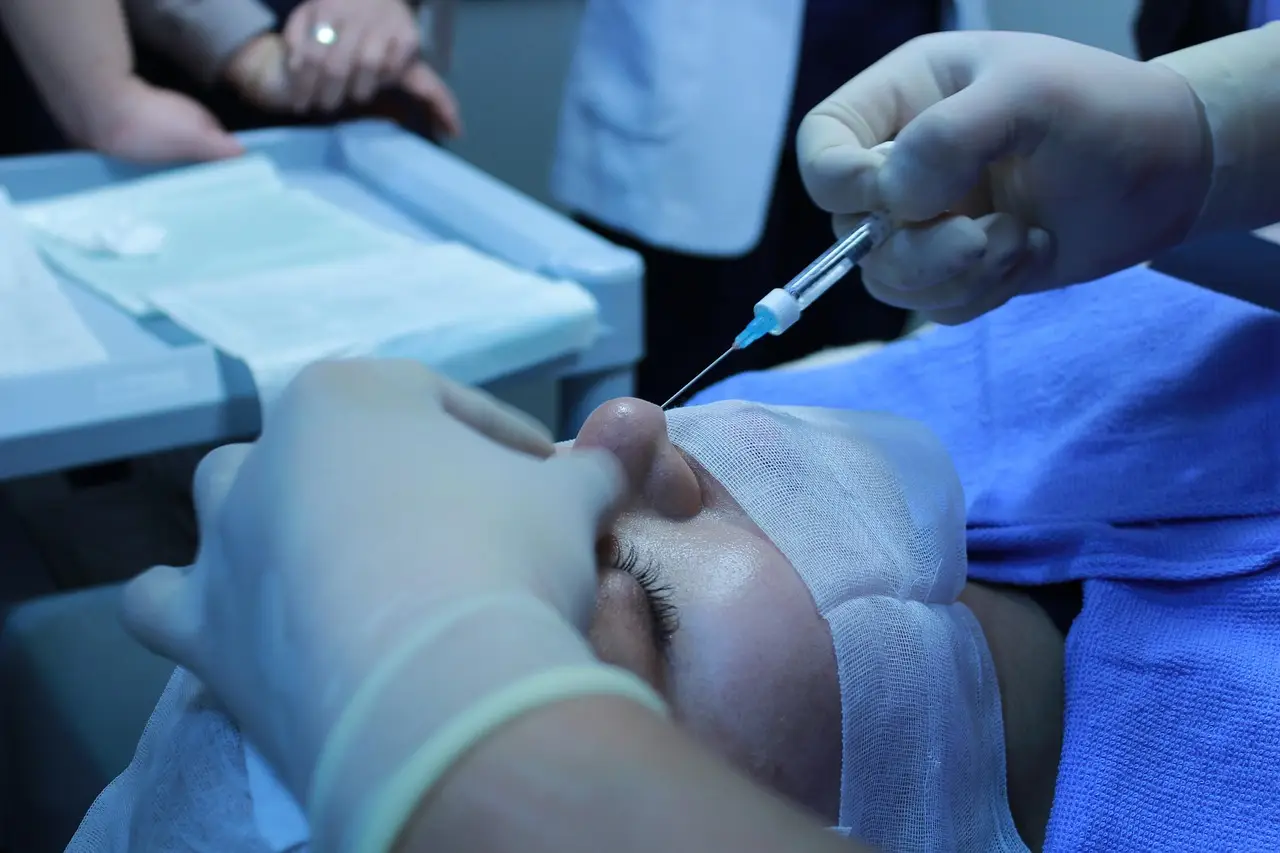
The FDA has cleared Lynch Regenerative Medicine to begin a Phase 2b clinical trial of injectable PDGF for under-eye hollows, the company announced on October 21. The trial will enroll up to 75 patients across six clinical sites, with safety and improvement measured at 12 weeks.
The clearance puts an investigational drug application, or IND, behind a treatment some physicians already deliver off-label. PDGF, short for platelet-derived growth factor, has appeared in dermatology offices through ariessence pure PDGF+, a product intended for topical use — not injection. The new injectable is being developed as a separate drug candidate.
How does PDGF differ from under-eye filler?
The distinction is mechanical versus biological, according to LRM founder and CEO Samuel Lynch, PhD. "A filler fills the space," Lynch said, "whereas with PDGF, you are truly regenerating the patient's own tissues."
Filler produces an immediate volumizing result. PDGF works gradually, encouraging the body's natural repair process. Lynch says patients could notice improvements over six to 10 weeks, and the trial will also track whether treatment improves overall tissue quality in the under-eye area. That profile could appeal to patients who want to address a hollow, sunken look without filler.
PDGF itself is not new to medicine. The growth factor has been used for decades in wound healing and tissue regeneration. What would be new is an FDA-approved injectable indicated specifically for under-eye hollows.
Why are some doctors already injecting it?
Some providers have been injecting ariessence PDGF off-label, including under the eyes, despite its topical designation. Lynch acknowledges the trend and frames the trial as an effort to formalize it. "We're just trying to catch up," he said, and study the injection "in a rigorous, tested way that FDA will accept."
How long could results last?
Durability is one of the trial's open questions. Lynch says some providers already use PDGF as a one-time under-eye treatment, with a second session eight to 12 weeks later if needed. He estimates improvements could last nine to 18 months, but no clinical trial has confirmed that figure.
The Phase 2b design:
- Up to 75 patients
- Six clinical sites
- Safety and under-eye hollow improvement assessed at 12 weeks
When could it reach patients?
Not soon. Lynch expects the current trial to take about a year, after which the company will review findings with the FDA. A larger Phase 3 trial will likely follow.
"We're looking at probably at least three years to get the approval for this," Lynch said.
For patients curious about PDGF injections who have hesitated because no injectable version is FDA-approved, the trial is the first structured test of whether the treatment matches early off-label experience. For the regenerative aesthetics category, it marks the movement of growth-factor injections from physician improvisation toward regulated drug development.
via prnewswire.com (Original)
More from Rebecca Stone
Show full bio
Market editor covering technology and product news in skincare, haircare, makeup, fragrance, nails at Eurasian Beauty Journal.
81 articles
Also on the counter
- BTS's Jin Fronts Laneige's First Eye Patch Launch at $27
- Filler Plus Biostimulators Plus Energy Devices: The Three-Step Fix for GLP-1 Faces
- Ariana Biermann Calls SKINVIVE by Juvéderm Her Latest Obsession
- Dermatologist Breaks Down Seven Facts About Sculptra Before You Book
- Barefaced Launches Barefaced Rx, Entering Prescription Skin Care