VC-3549
Business of BeautyProduct dossier
Oribe Bets on Mosaic Art and Salons to Drive Holiday Sales
Oribe's holiday gift sets, priced up to $310, drive most Q4 sales. The brand shipped artist Mathilde Herrero's mosaic to a top Oklahoma salon and rules out generative AI in creative work.
Counter notes
- Oribe's revenue was around $170 million at its 2017 acquisition by Kao and has doubled since.
- Holiday gift sets range from roughly $42 to $310 and drive most of Oribe's fourth-quarter sales.
- 44% of Gen Z and 46% of millennial beauty shoppers expect to spend more this holiday season, per Accenture's survey of 1,393 shoppers.
- Walmart's holiday sales events total 14 days this season, up from 10 in 2025.
- TikTok searches for 'gold jewelry' surged 1,134% month over month in September.
By Grace Kim
Oribe's holiday collection drives most of its fourth-quarter sales, and this year the brand shipped an actual mosaic — gold and plaster, hand-placed tile by tile — to a salon in Oklahoma to sell it.
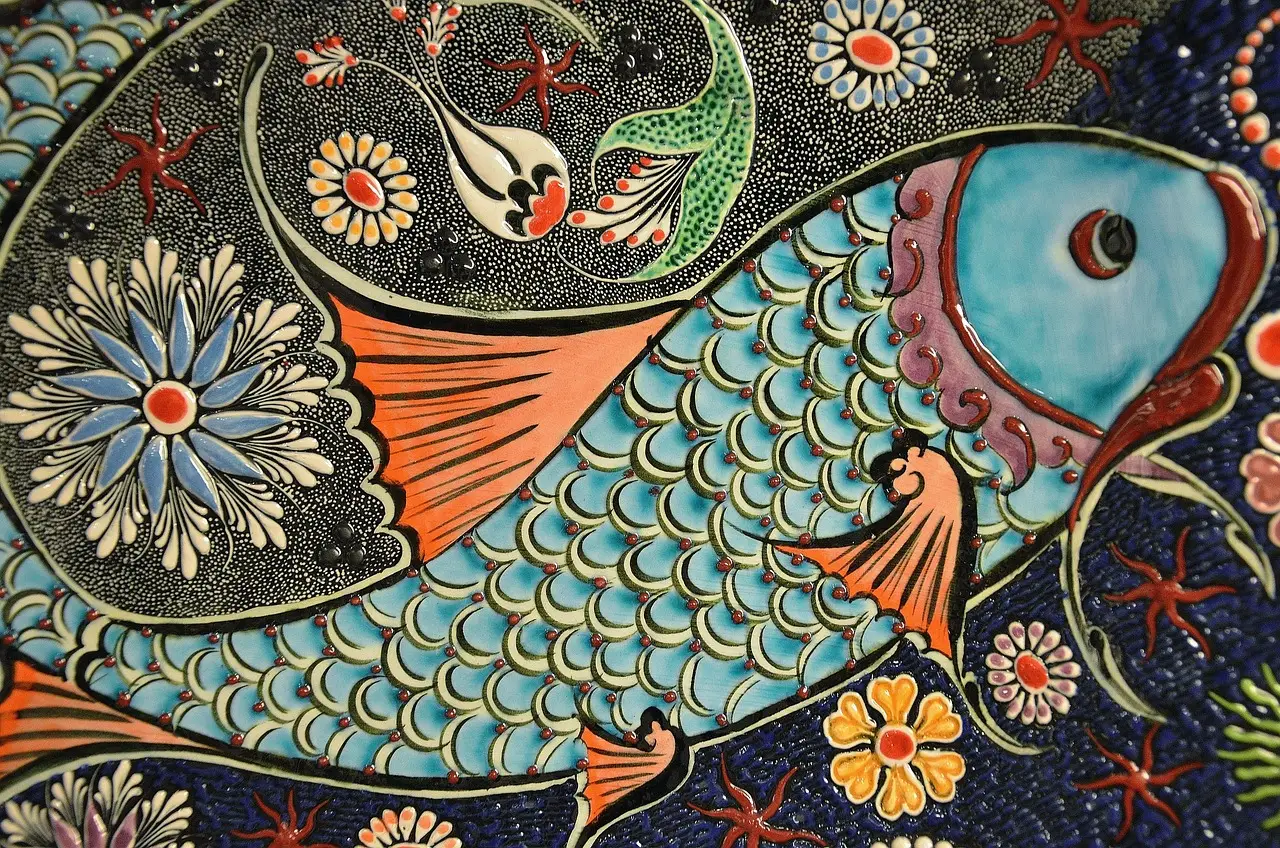
The Kao-owned hair-care brand launched its annual holiday collaboration with mosaicist Mathilde Herrero last month. Herrero designed a gift set inspired by Byzantine geometry and Art Nouveau. She built a real mosaic of gold and plaster, which now serves as the product packaging design. The accompanying campaign shows how she drew the design, mixed the material and placed every tile by hand.
Why does Oribe choose unknown artists over celebrities?
Most brands collaborate to borrow a celebrity's audience. Oribe runs the play in reverse. The brand deliberately seeks out skilled but lesser-known artists from creative fields outside hair care, on the theory that discovering something new can match the thrill of recognizing something familiar.
Previous collaborators include a Japanese calligrapher, a Kenyan textile artist and a French tapestry artist. The sets range from roughly $42 for small versions to $310 for the flagship.
Daniel Kaner, Oribe's co-founder and president, said the strategy stays constant each year even as the details change. The collaborations also feed the product team itself.
"We try to work in a very horizontal collaborative way as an organization," Kaner said. "The holiday collaboration is a way to develop and play with our own art and craft, and it becomes a form of leadership and development of the collaborative spirit. Everyone in the company gets involved in creating the holiday collaboration. It's really good for the team."
What does the anti-AI positioning mean?
Diana LaMura-Scarrone, vp of global marketing and creative, framed the artist program as a deliberate stance against generative AI. Oribe does not use generative AI for any creative product, she said.
"A lot of brands are doing artist collabs right now in reaction to AI," LaMura-Scarrone said. "It's a big trend in beauty and fashion, and this is just another stake in the ground in support of human-made art. That feels more meaningful than ever right now."
That claim is easy to make and hard to verify; the brand did not offer figures isolating the collaboration's sales effect. What the numbers do show is scale. Oribe's revenue was around $170 million when Kao Corporation acquired it in 2017, and it has doubled since then, according to the brand.
How important are salons?
For the first time, Oribe used the original art piece as an in-store display. The team shipped Herrero's mosaic to Flaunt Salon in Oklahoma, run by hairstylist Faith Mouse. Flaunt ranks among Oribe's best-performing salons by sales, according to LaMura-Scarrone.
"We've always worked with our salons on their displays, but this is the first time we're actually shipping them the art," LaMura-Scarrone said. "That's how important salon is to us. Faith is actually one of our top sales drivers, too."
Salons were Oribe's first sales channel and still drive a large share of revenue. Sales now split fairly evenly across online DTC, wholesale and salon channels. Wholesale and e-commerce grow fastest. Oribe sells DTC online and wholesale through partners like Nordstrom.
The stated goal: establish brand identity for new customers and reinforce it for existing ones.
Will beauty shoppers actually spend more?
Yes, according to Accenture. The tech consultancy surveyed 1,393 U.S. beauty and personal care shoppers. 44% of Gen Zers and 46% of millennials expect to spend more this holiday season than last year. Millennials anticipate spending an average of $1,088 and Gen Z $1,005 — both above the $885 average for beauty and personal care shoppers overall.
The reasons split between necessity and indulgence. Fifty-three percent cited higher prices. Forty-nine percent said they want to treat themselves.
Value still matters:
- 48% plan to shop holiday gifts at mass merchants and warehouse clubs, up from 34% in 2025
- 38% plan to shop at discount stores, up from 34%
- Shoppers will split spending almost evenly between online (52%) and in-store (48%)
- Even active generative AI users expect 45% of their holiday shopping to happen in stores
Beauty and personal care moved from No. 6 to No. 5 in shoppers' ranking of planned holiday purchases. The survey drew from a broader sample of 4,048 U.S. shoppers.
What else is happening this holiday season?
Walmart will run 14 days of holiday sales events, up from 10 in 2025. Early Black Friday deals run November 12-15, the core Black Friday sale runs November 23-29, and Cyber Monday offers run November 30 to December 2. Thousands of gifts will cost under $20, and Walmart+ members get early access to specific deals.
Target opens with a three-day Early Black Friday Sale on November 5-7, followed by limited-time offers every weekend through the holidays. Its Deal of the Day program returns November 1 and runs through Christmas Eve.
Fashion accessories may dominate gifting. According to TikTok, 22% of U.S. TikTok users plan to shop for accessories, including jewelry, this Black Friday and Cyber Monday. U.S. TikTok searches for "gold jewelry" surged 1,134% month over month in September. Searches for "opal rings" jumped 825%, and searches for #friendshipbracelet increased 120%.
For Oribe, the test is whether a $310 gift set wrapped in hand-placed tile can hold its margin against mass-merchant discounts — and whether salons, not algorithms, keep doubling the brand's revenue.
via wwd.com (Original)
More from Grace Kim
Show full bio
Correspondent covering technology and product news in skincare, haircare, makeup, fragrance, nails at Eurasian Beauty Journal.
90 articles
Also on the counter
- Pandora Teams With Dame Pat McGrath on 17-Piece Jewelry Capsule
- Cocolab Grew 183% in Three Years — and Just Poached an E.l.f. Board Director as CEO
- Formafantasma Named Creative Director of Santa Maria Novella
- Jennifer Lawrence Launches Hair Brand Mes° With Biotech Founder
- Swedish Niche Brand Commentary Launches With 'Olfactive Artwork'